The 20th Dump Truck and Construction Equipment Meet in Geilenkirchen
In Franz Davids’ “Sandbox for Big Kids”
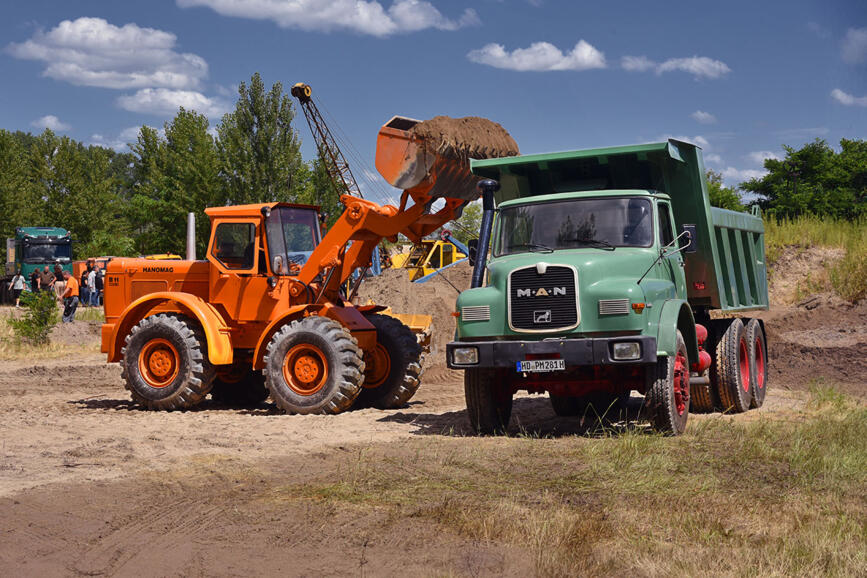
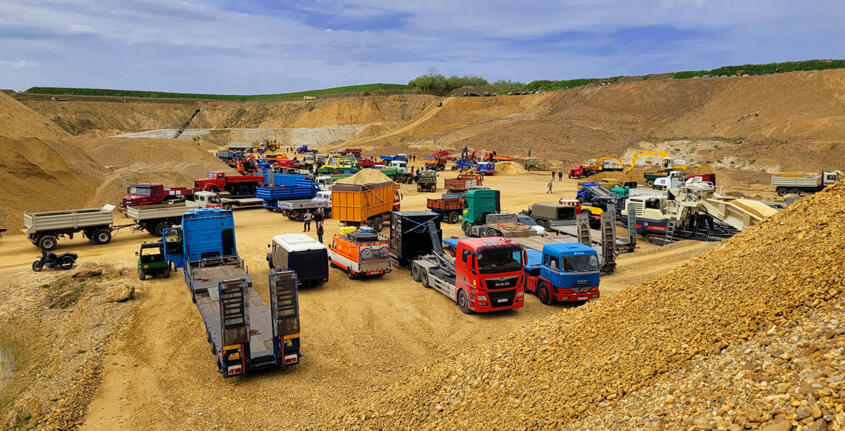
As is customary every year after Easter, a large dump truck meet took place in 2026 near Geilenkirchen in the far west of Germany. The event at the Franz Davids sand pit near the Dutch border was held for the twentieth time. About 100 vehicles took part, along with many historic excavators and wheel loaders, as well as a few other vintage commercial vehicles that don’t strictly fall under the category of construction machinery. Under bright sunshine, the dump trucks were loaded with sand, which they then unloaded elsewhere. There was action everywhere in the sprawling sand pit, and all participants and spectators were clearly having a great time. Our freelance contributor Detlef Gerth was on site for truckinfocus.com and provided us with great photos and a fitting article.
The organizer of what is likely the largest dump truck meetup in Germany is the Commercial Vehicle Veterans Association (NVG) in collaboration with the team from Auto-Obermann in Mülheim an der Ruhr. The team did an excellent job managing the entire event. Unlike some tipper truck gatherings, which for good reason are known only to invited participants, Geilenkirchen was also listed in the calendars of several trade magazines. There are no barriers on the grounds, so freedom of movement is unrestricted. Theoretically, therefore, there is a certain risk of accidents, as the public can move freely among the construction trucks driving around as well as the excavators and loaders in action. Fortunately, nothing has ever happened, but it is understandable that the organizers are not keen on large crowds—especially when children are present who might be running around carelessly in the sand pit.
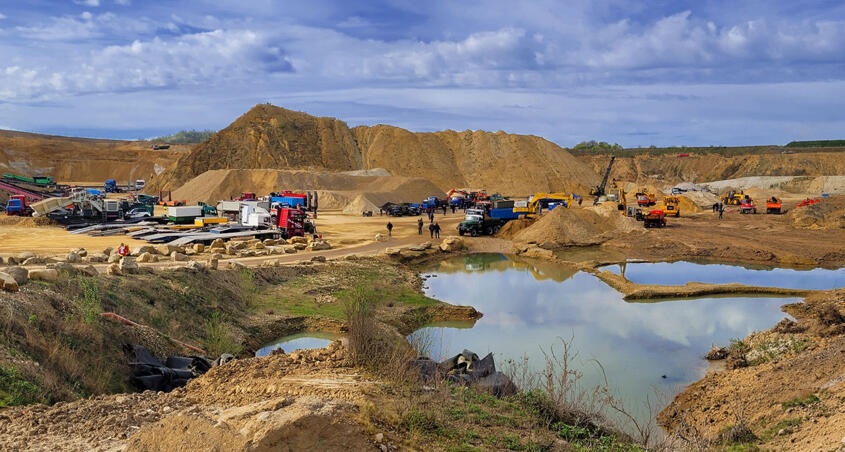
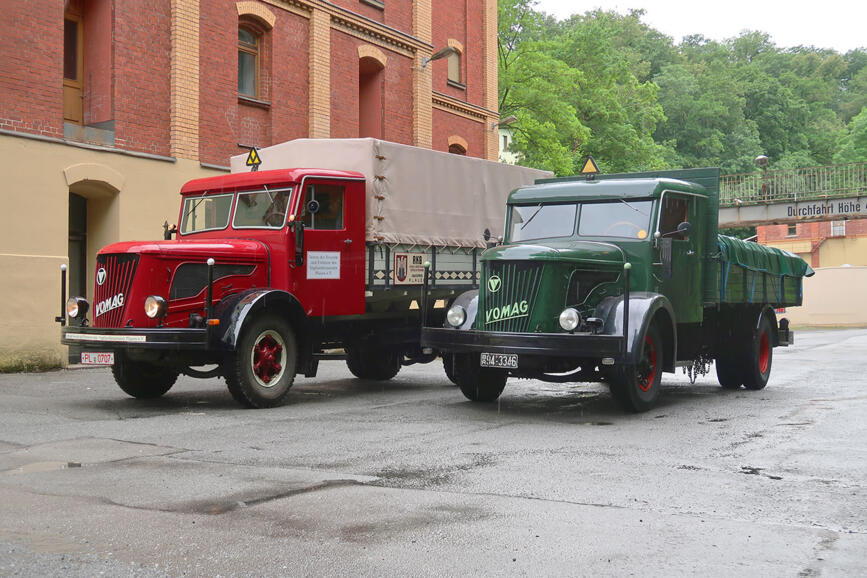
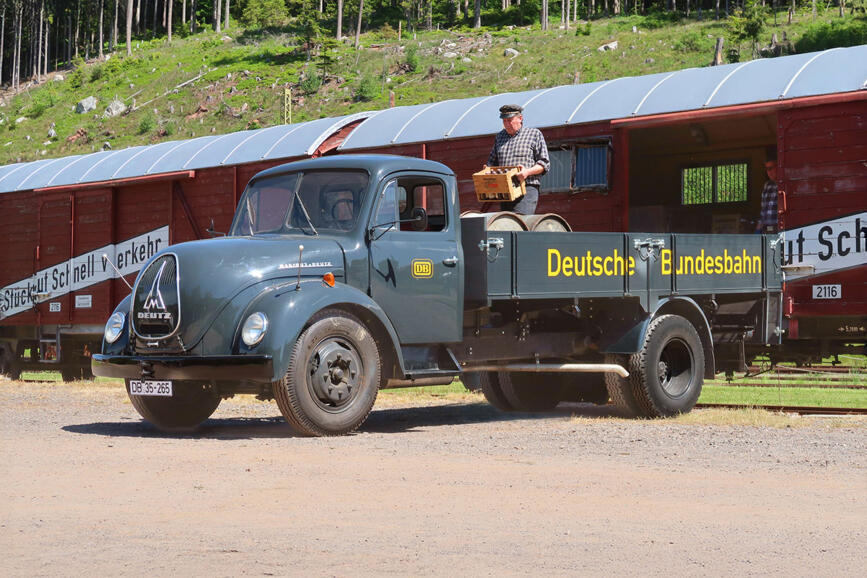
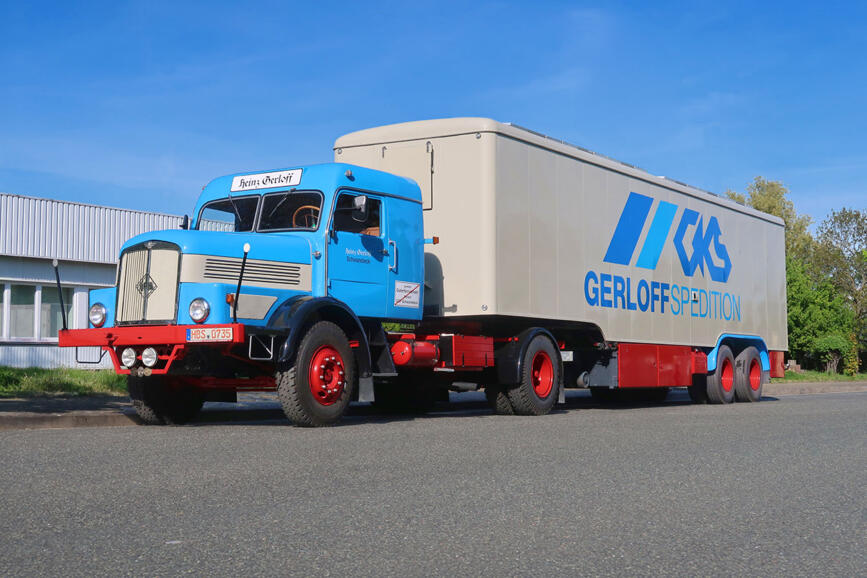
Most spectators had brought cameras and video cameras, as there were plenty of photo opportunities in the beautiful weather. I estimate that about a hundred vehicles participated. In addition to dump trucks, cable and hydraulic excavators, wheel loaders of various sizes, and bulldozers were in action. Tractors and the occasional military vehicle were also on site, as were a few classic delivery vans that rounded out the overall picture of vintage commercial vehicles.
The current high price of diesel may have deterred one or two participants from coming, but true enthusiasts certainly aren’t put off by that—especially since many vehicles came from active trucking companies.
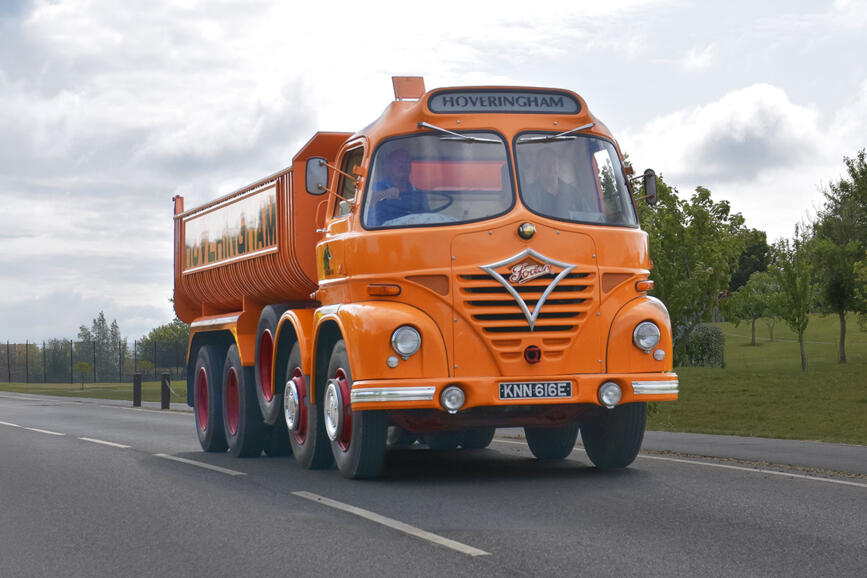
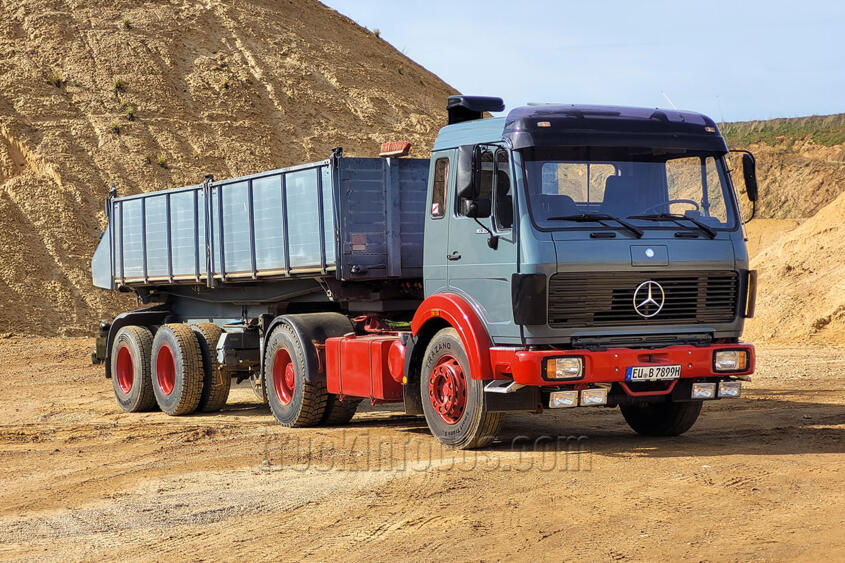
Among the trucks, cabover models predominated, ranging from the Opel Blitz to 38-ton trucks from Mercedes or MAN. Conventional trucks, which were still common at earlier gatherings, were more of an exception this year—a sign of the shift in the vintage truck scene. After all, future classic trucks are steadily becoming vintage vehicles.
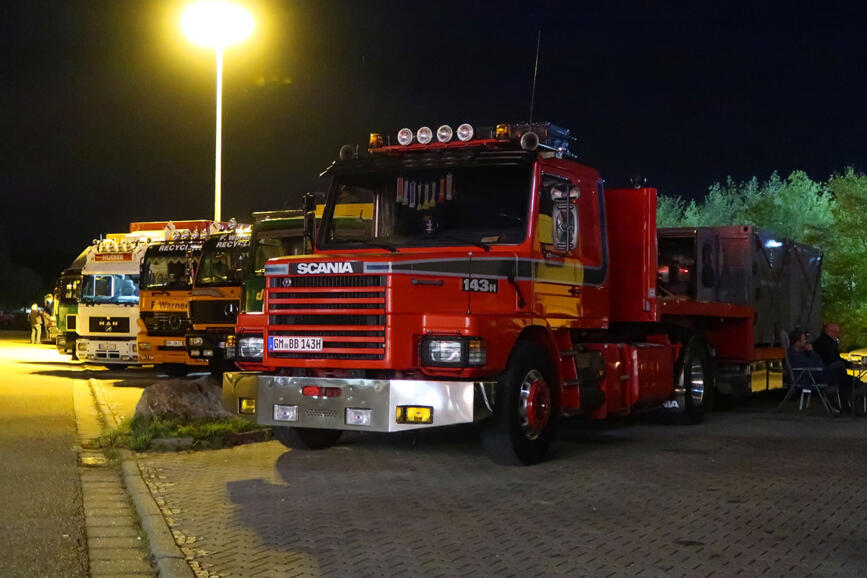
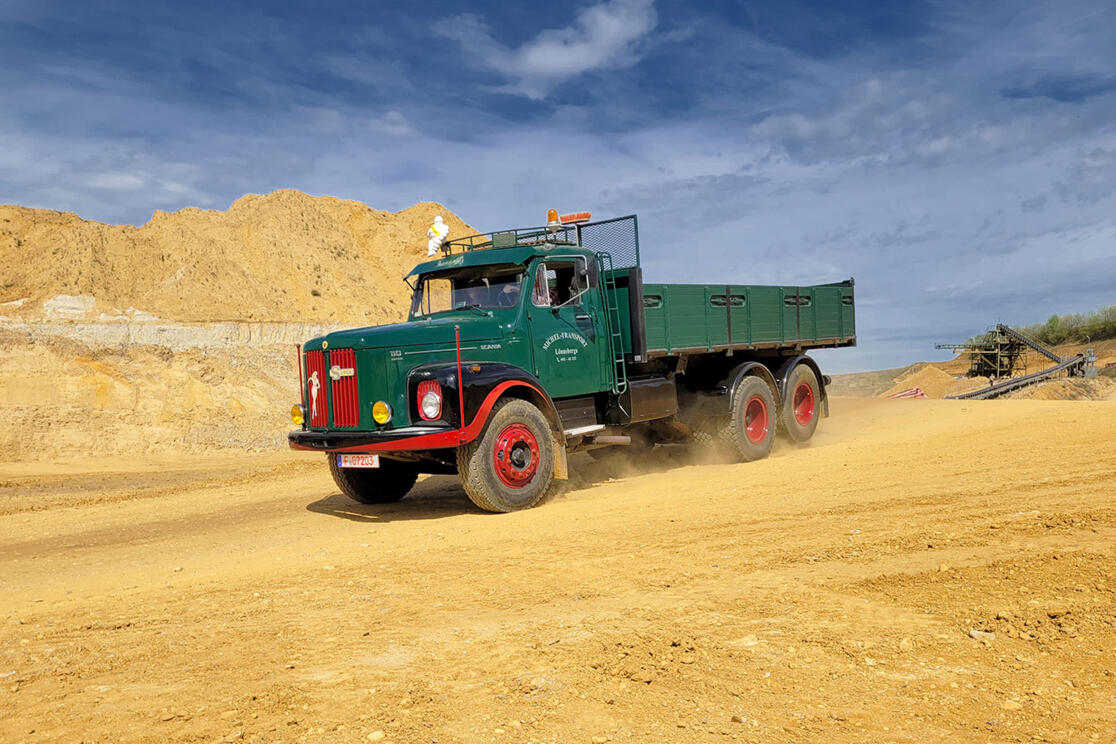
Of course, several Scandinavian truck manufacturers were also represented, many of which still featured a hood. They came primarily from the Netherlands, as the border is just a stone’s throw away. Traditionally, numerous participants bring their vehicles from our truck-loving neighbor country to the dump truck meet in Geilenkirchen. Some of the historic dump trucks were transported on flatbed trailers, as were equipment like wheel loaders and excavators.
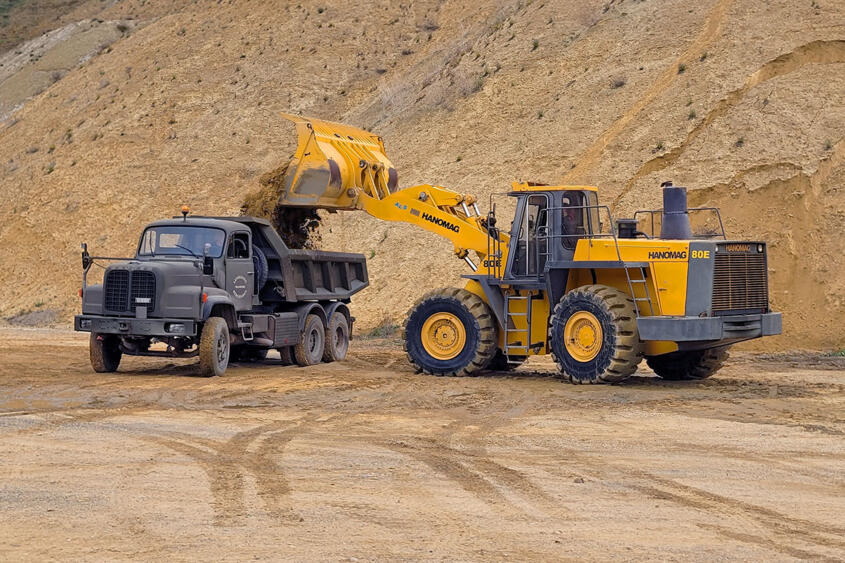
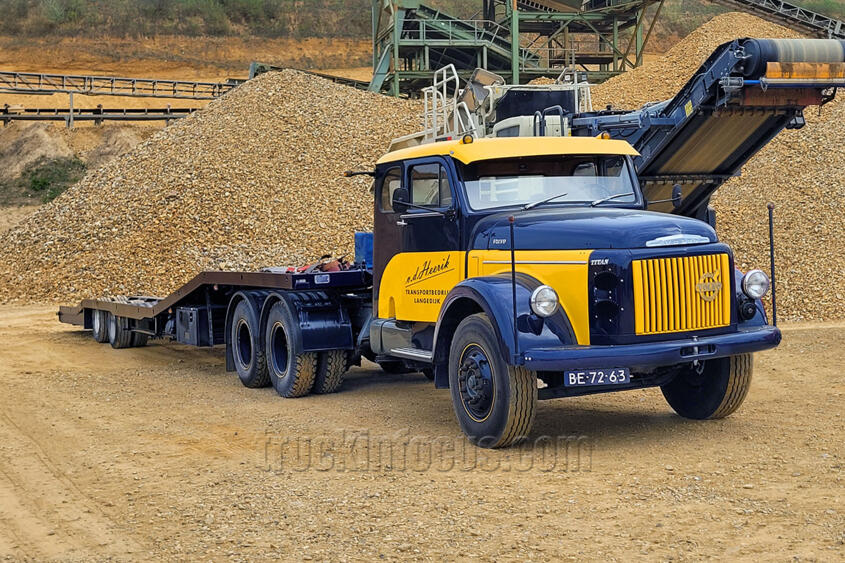
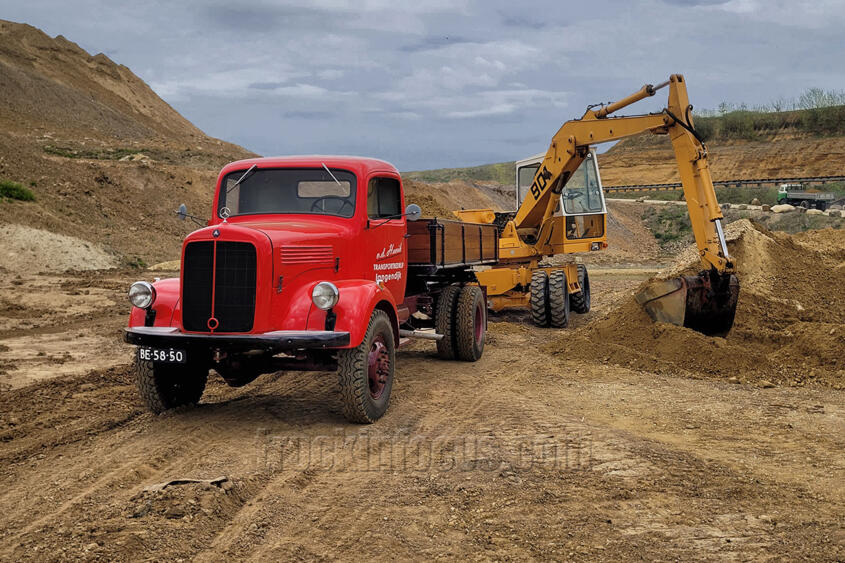
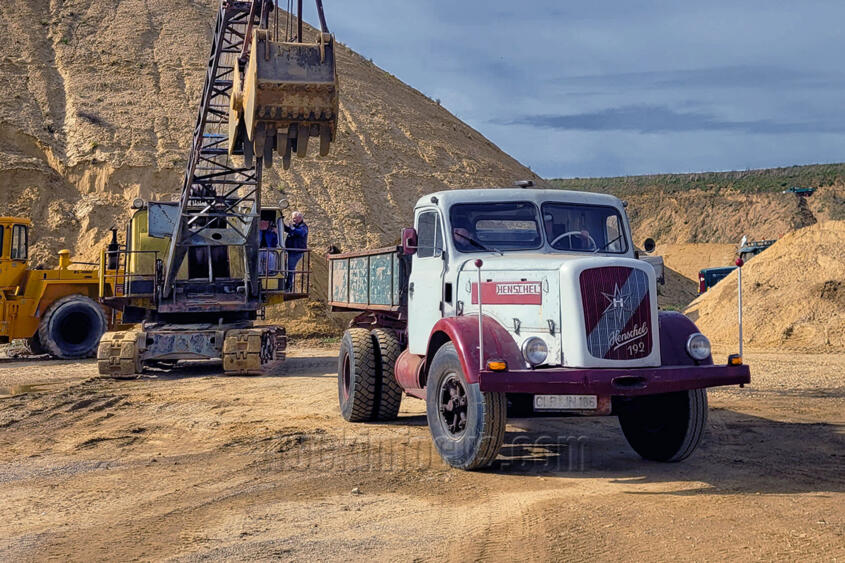
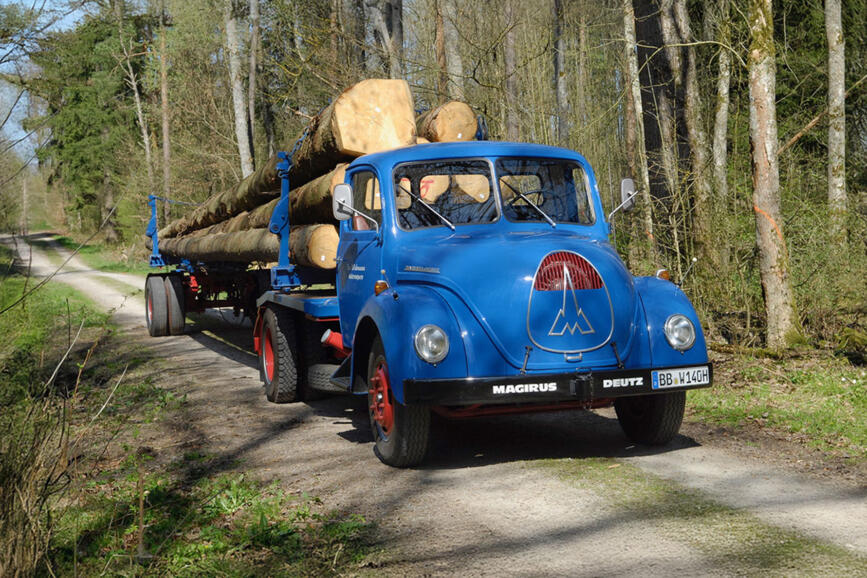
Sand and gravel were loaded into the lower section of the pit. The material was dumped at a higher point. On the way there, there was an incline that gave the filmmakers the opportunity to capture some great shots. They were able to capture the robust MAN sound, the rumble of the long-stroke Mercedes engines, the howl of the air-cooled Magirus engines, and the rich sound of Scania’s V8 engines. Sometimes you didn’t know where to look or listen first.
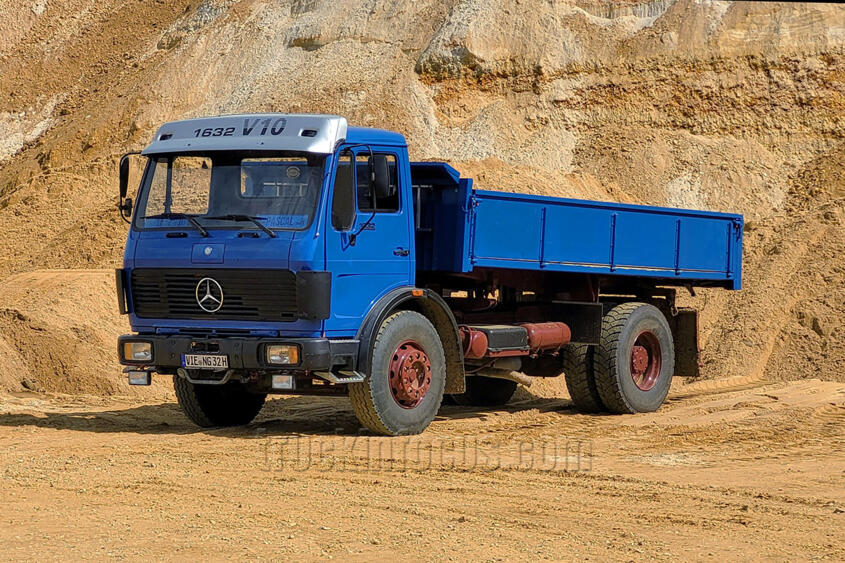
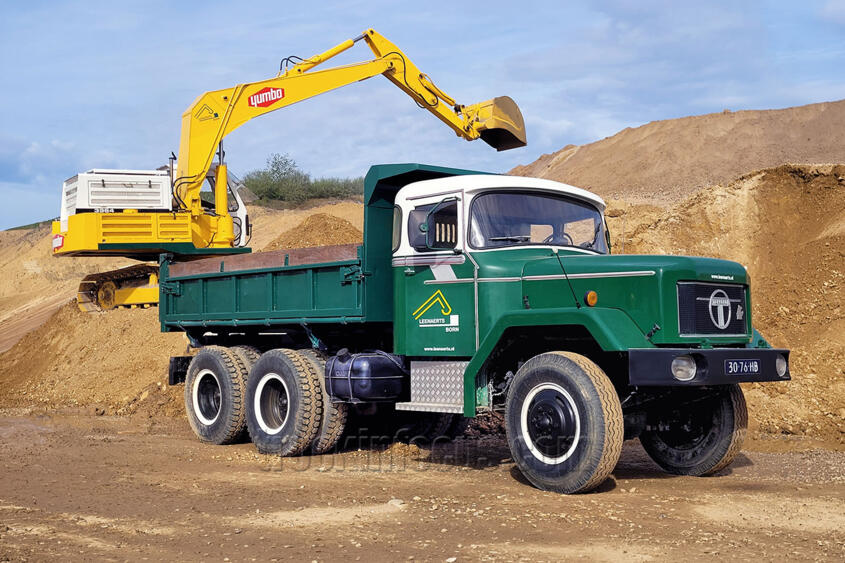
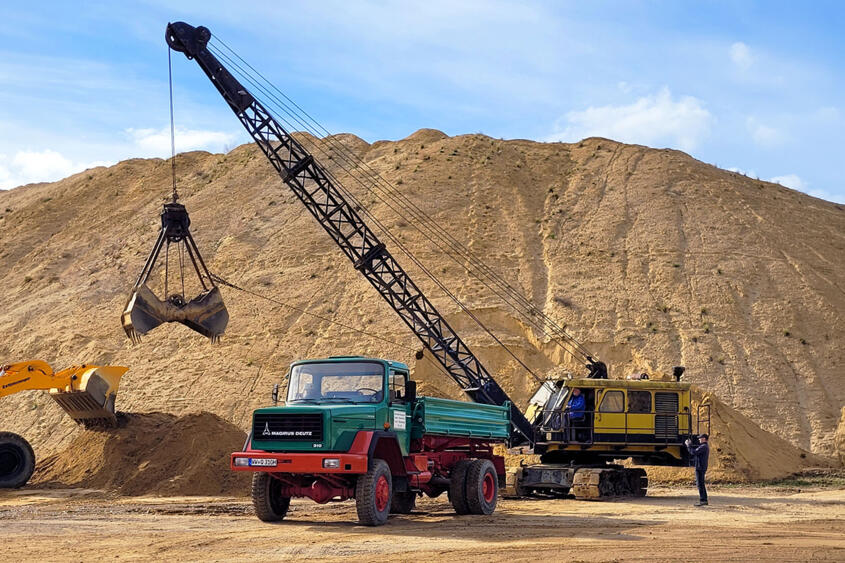
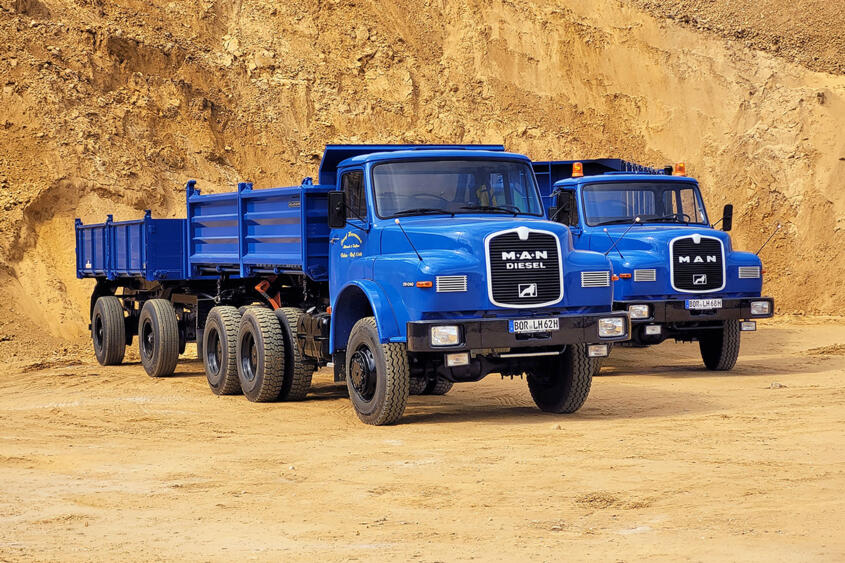
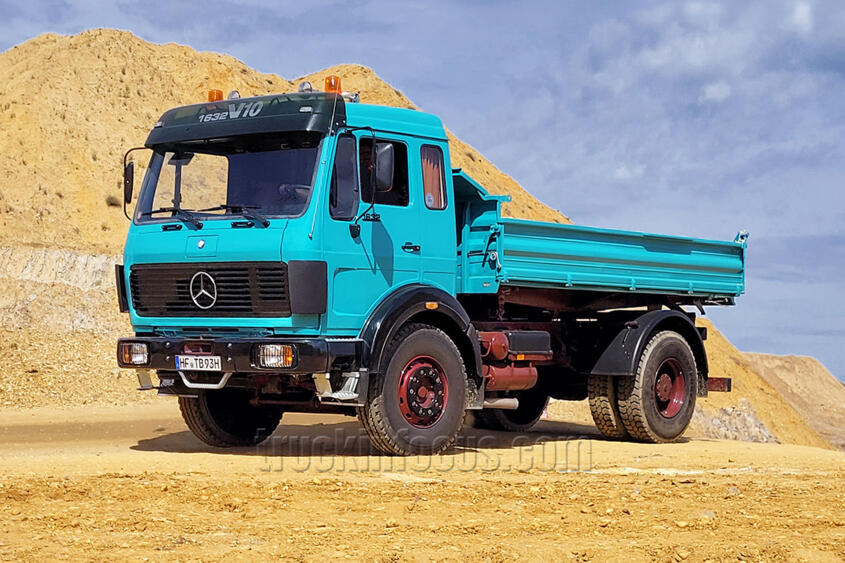
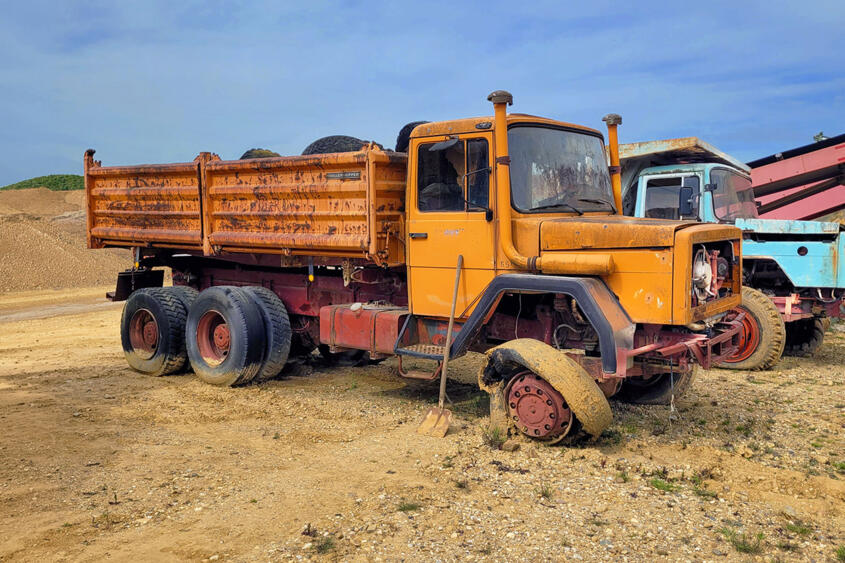
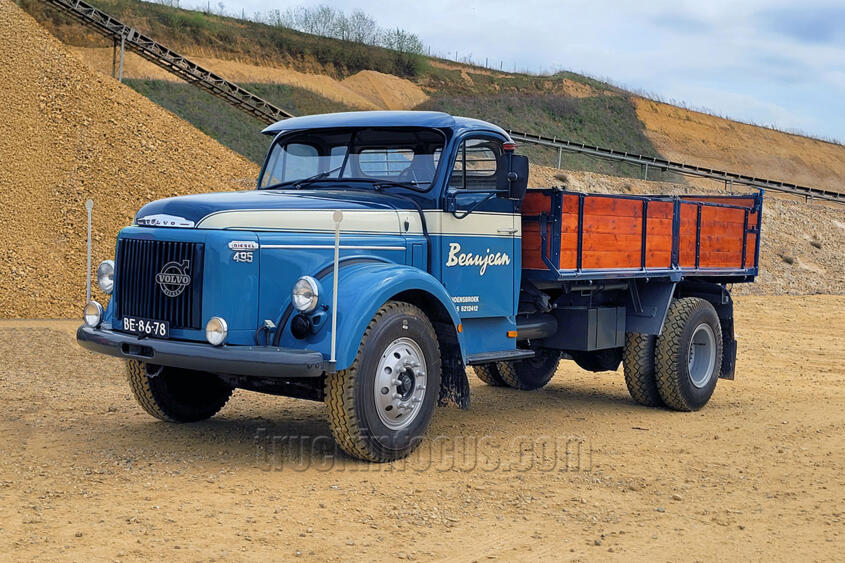
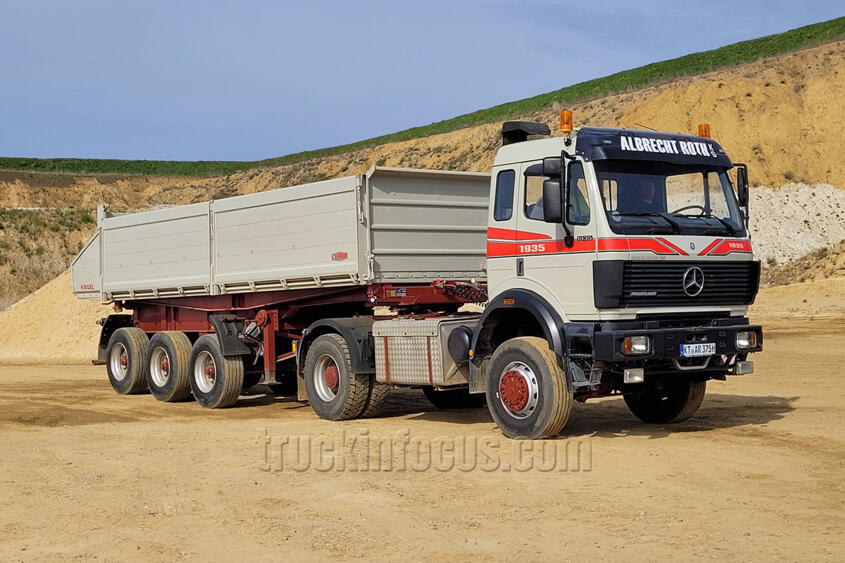
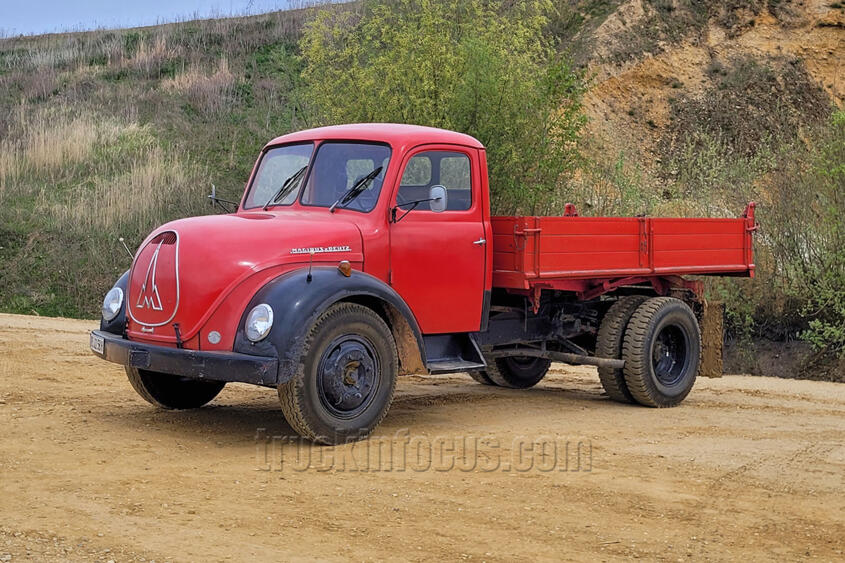
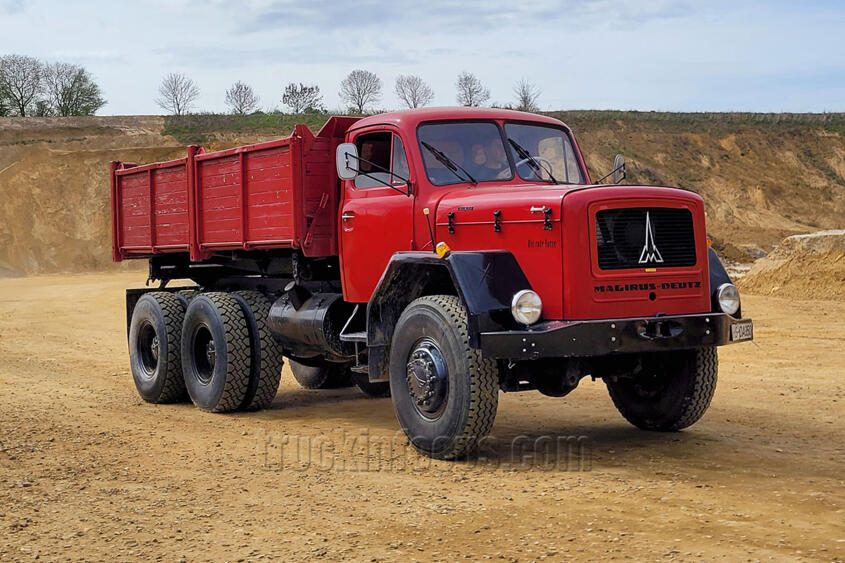
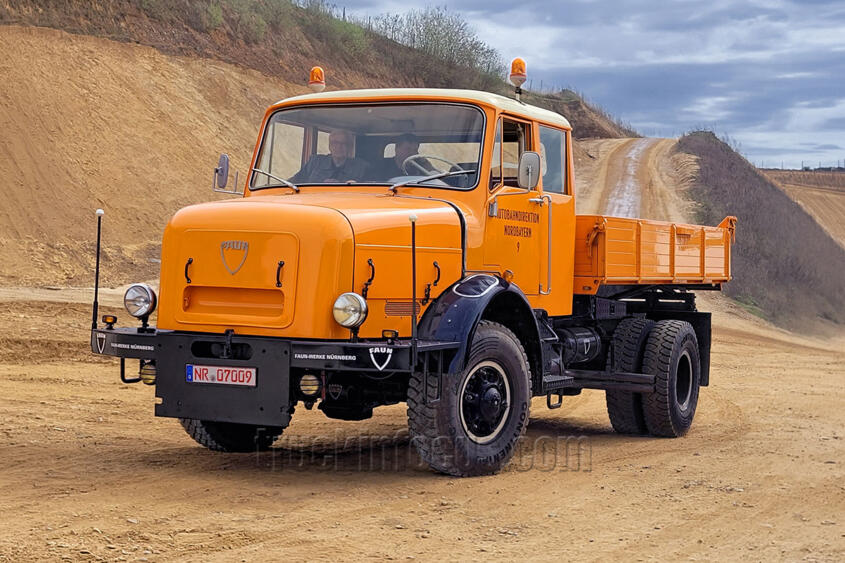
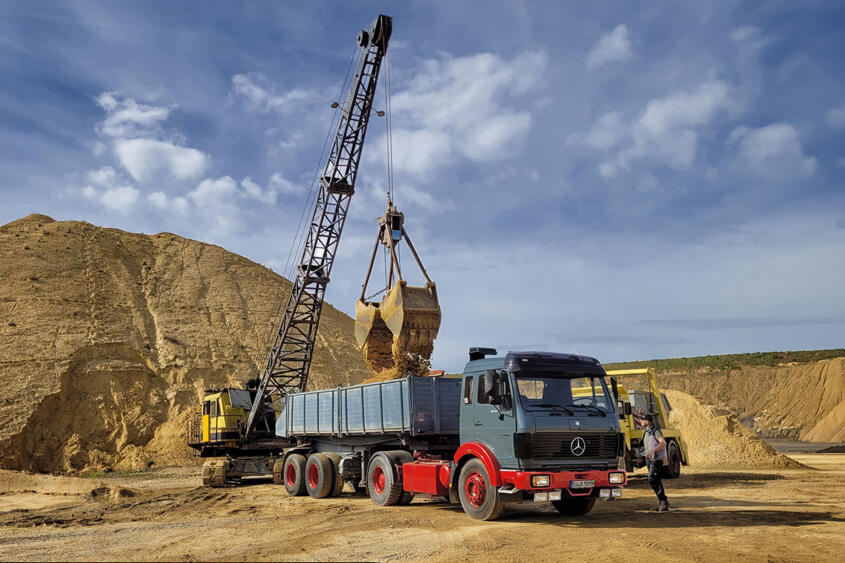
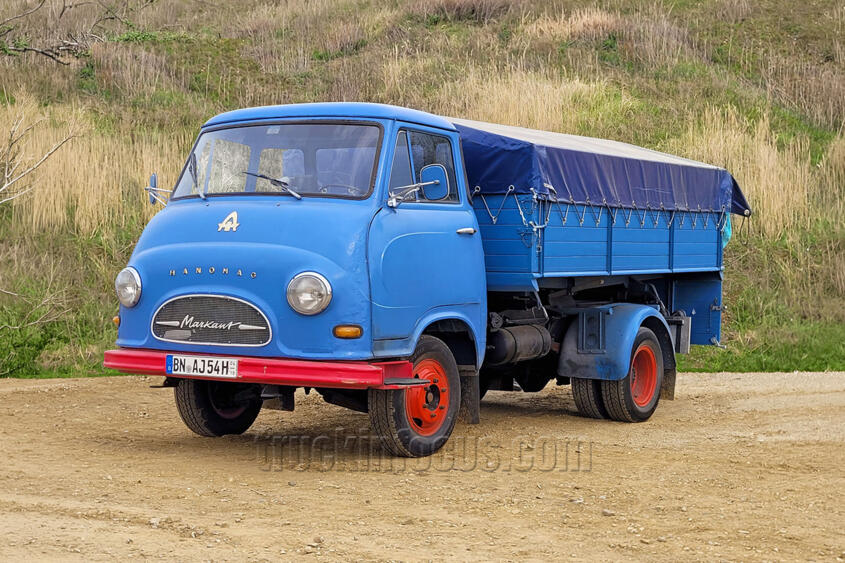
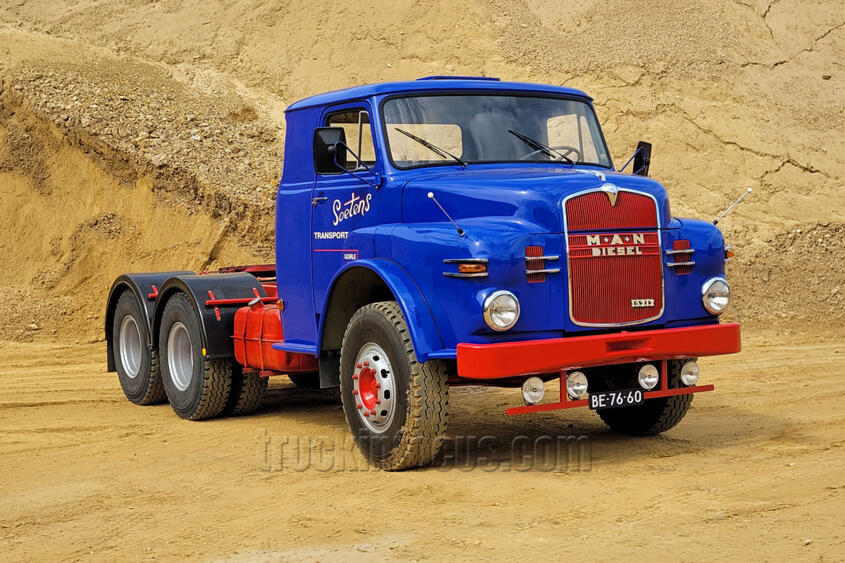
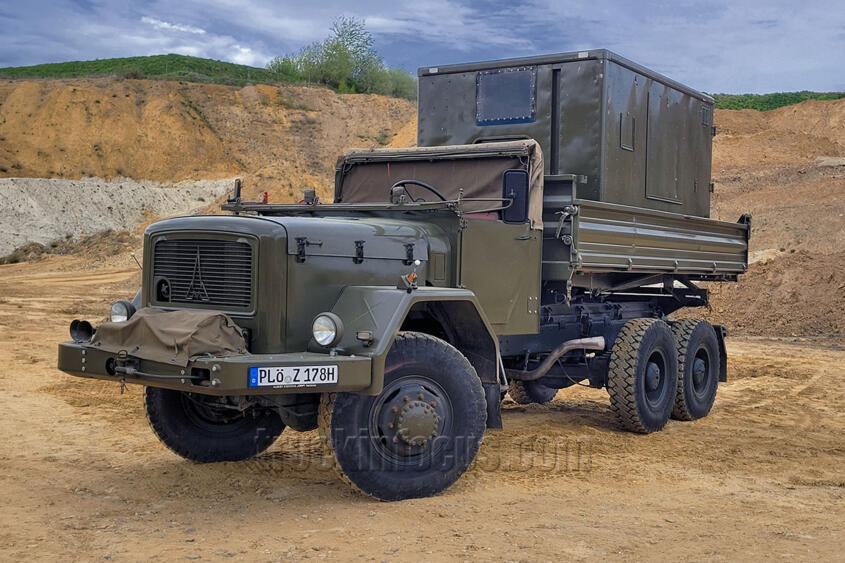
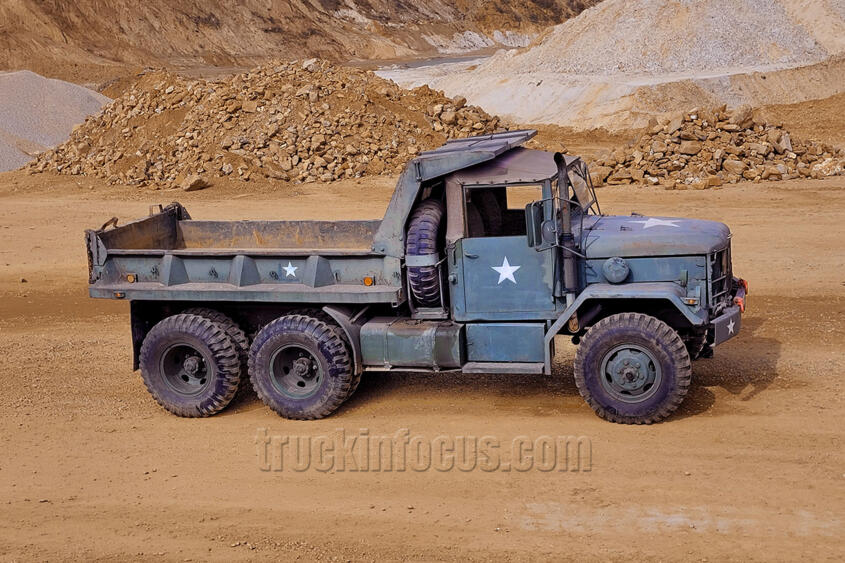
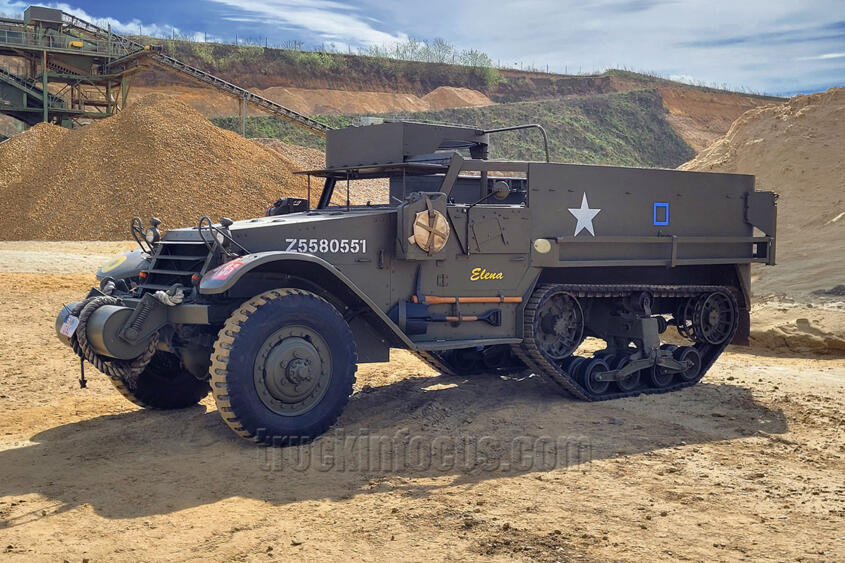
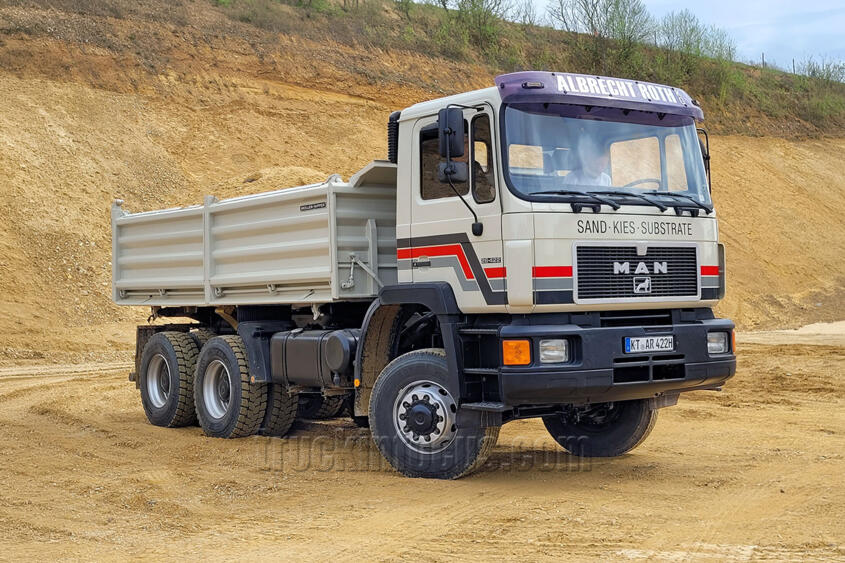
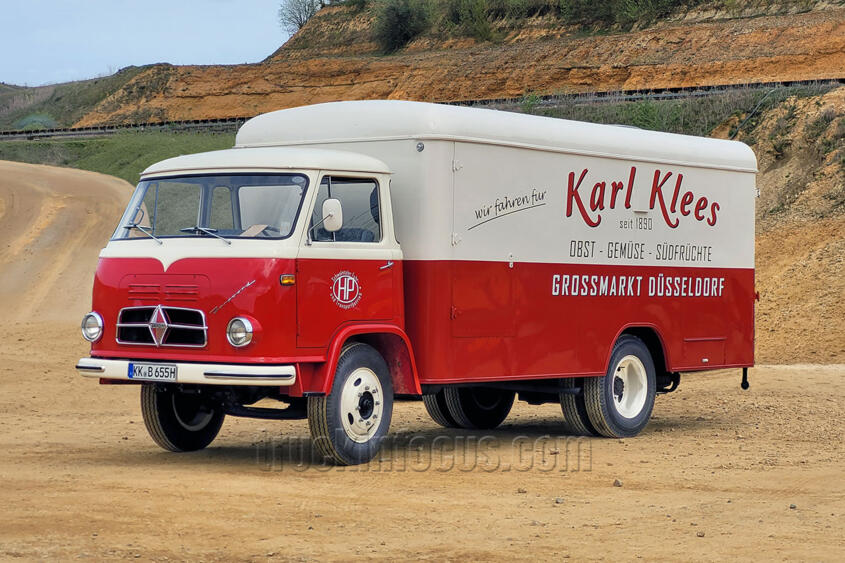
Most of the vehicles had been restored, but some had also retained their authentic patina. Which one you prefer is a matter of taste; I won’t comment on that.
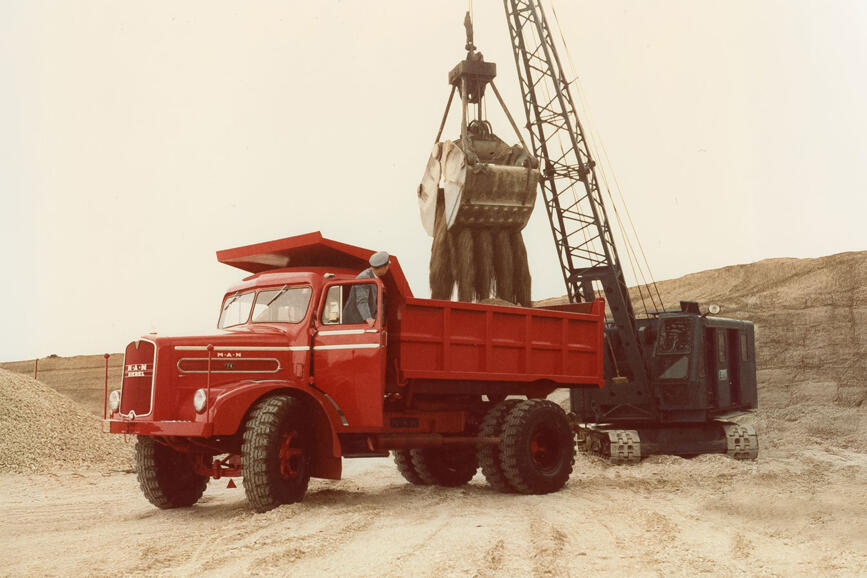
I admired the operators of the cable-operated excavators, who skillfully maneuvered the levers and pedals. Today, you have one or two joysticks, but back then, you needed four hands and both feet to operate the heavy machinery.
Refreshments were also provided: food and drink stands were easily accessible, and there was even a ride-along stop there. Interested visitors had the opportunity to ride along in the cab of a dump truck on a tour of the sand pit. This idea was well-received and provided both the drivers and the passengers with fun and the chance to make new acquaintances among like-minded people.
Around 4 p.m., the weather turned gloomy and it began to rain lightly. Slowly, the first participants started preparing for the trip home. After six hours, we headed back home in a car that had gotten a bit dusty in the meantime. I’ll be back next year.
Text and photos: Detlef Gerth