The Borgward chronicle with Hansa-Lloyd from 1931, Goliath, and Lloyd
Page 3
By Christoph Büch and Steve St.Schmidt (2026)
Hansa-Lloyd in the 1930s
From 1932 to 1938, Borgward offered Hansa-Lloyd truck series and trailers in addition to the Goliath models, thus entering new, heavy commercial vehicle classes. Hansa-Lloyd, formed in 1914 through the merger of Hansa-Automobil GmbH and NAMAG, was one of the most important and best-known German automobile brands until World War II and was primarily active in the commercial vehicle sector. The takeover by Borgward in 1931 ended the independence of the Bremen-based brand, but commercial vehicle production continued under the new owner until 1938. In our Borgward chronicle, we present the Hansa-Lloyd models from this period, as they are an integral part of Borgward's history.
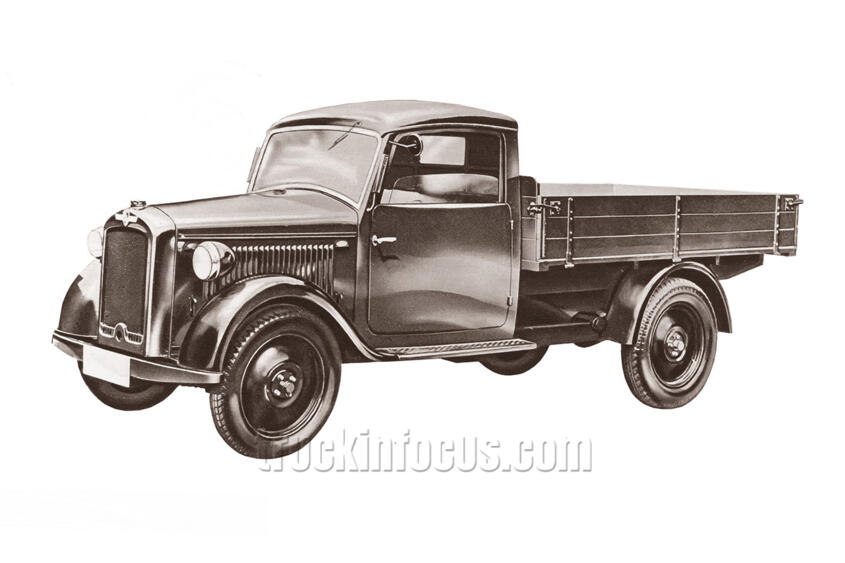
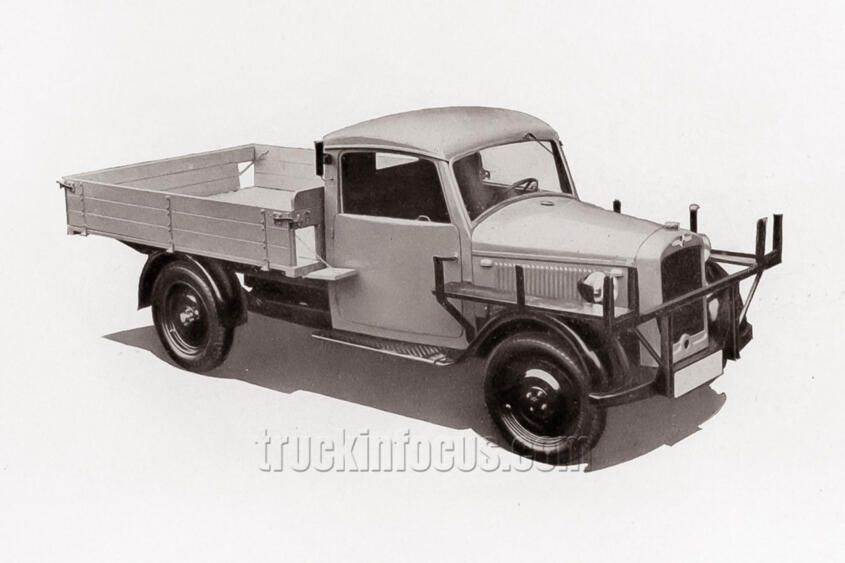
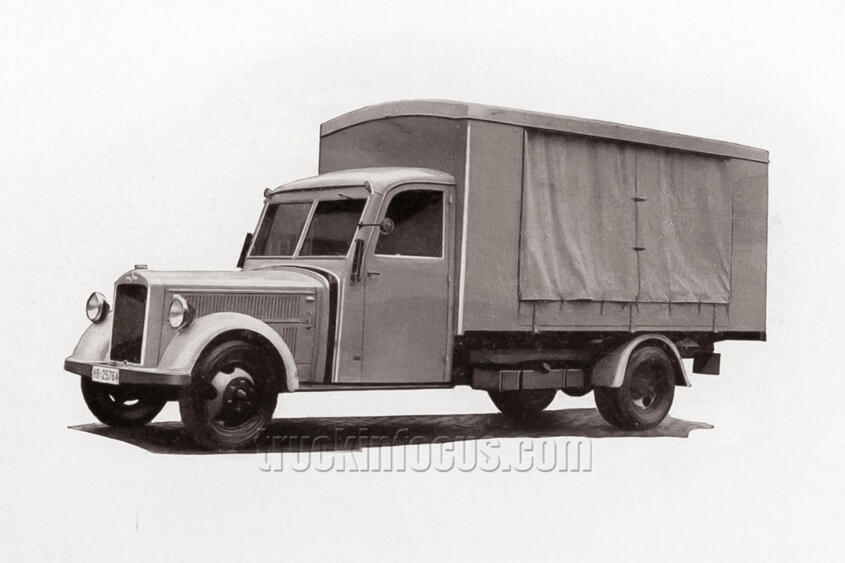
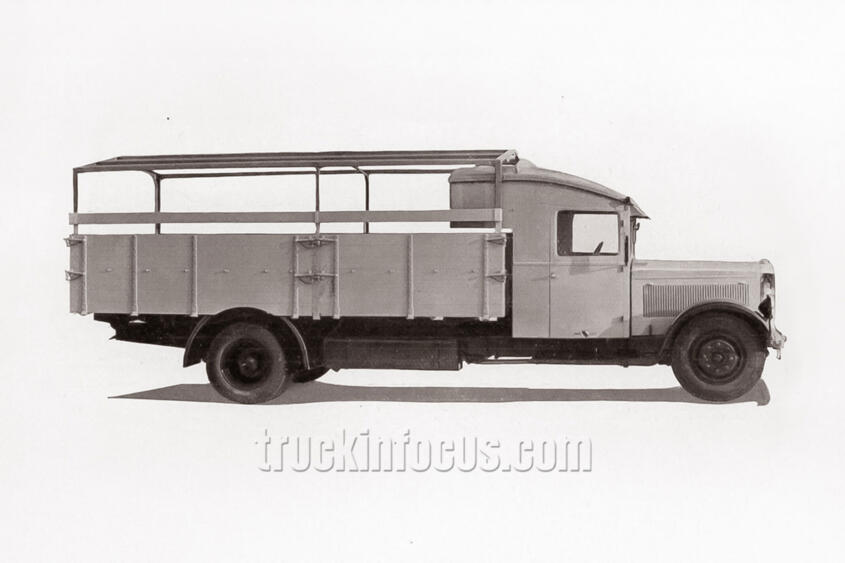
The one-ton “Express” was the smallest commercial vehicle in the Hansa-Lloyd line in the 1930s. It was almost identical in construction to the Goliath Rekord and had the same engine. Its four-cylinder gasoline engine with 28 hp propelled the “Express” to a top speed of 45 kilometers per hour.The Express model shown here was designed for transporting long loads. The small flaps in the wooden side panels at the front and rear were a particularly clever feature. Nevertheless, it remains a mystery how the driver got in and out when the vehicle was loaded on both sides.
The Express model with a payload of one ton was the lightest commercial vehicle in the Hansa-Lloyd line and also the most widely used truck of its class in Germany. It was a small conventional truck that had nothing in common with the 1927 Goliath Express except for the model name. Despite its popularity, production had to be discontinued in 1938, and its direct successor was the Borgward B 1000.
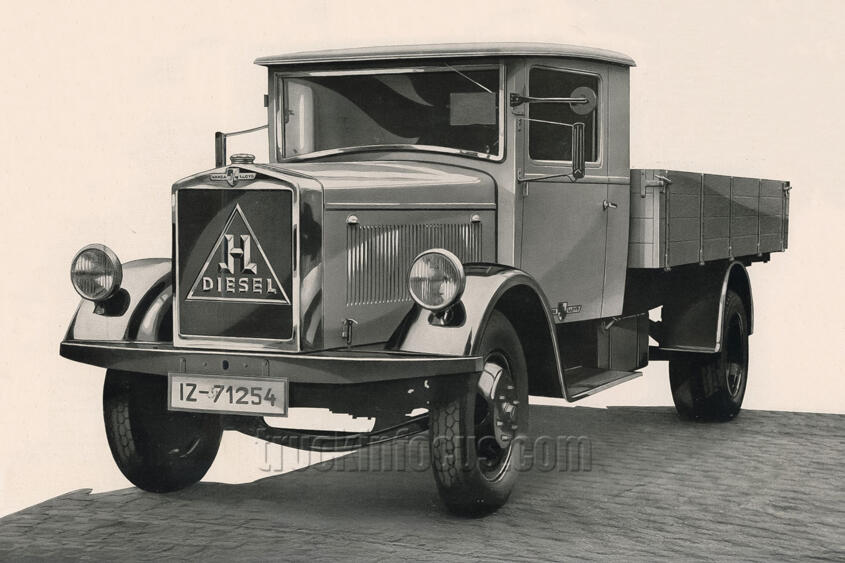
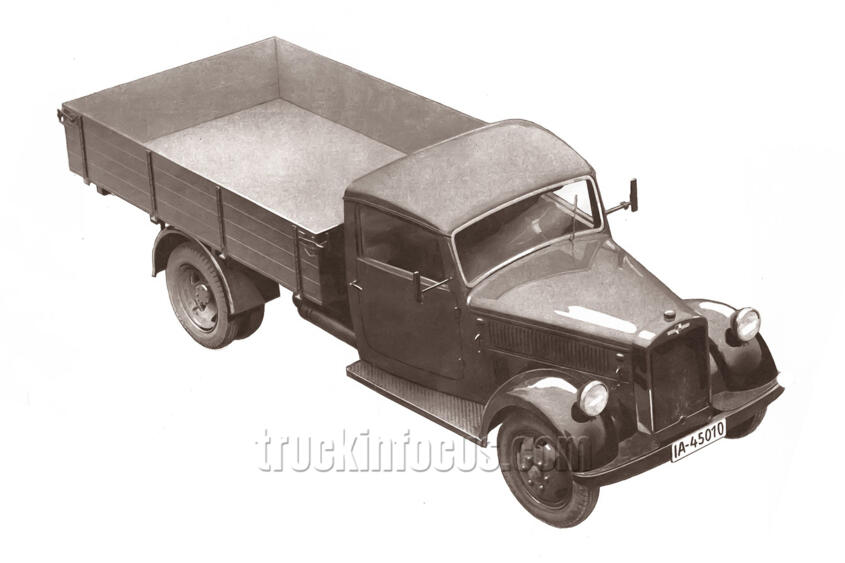
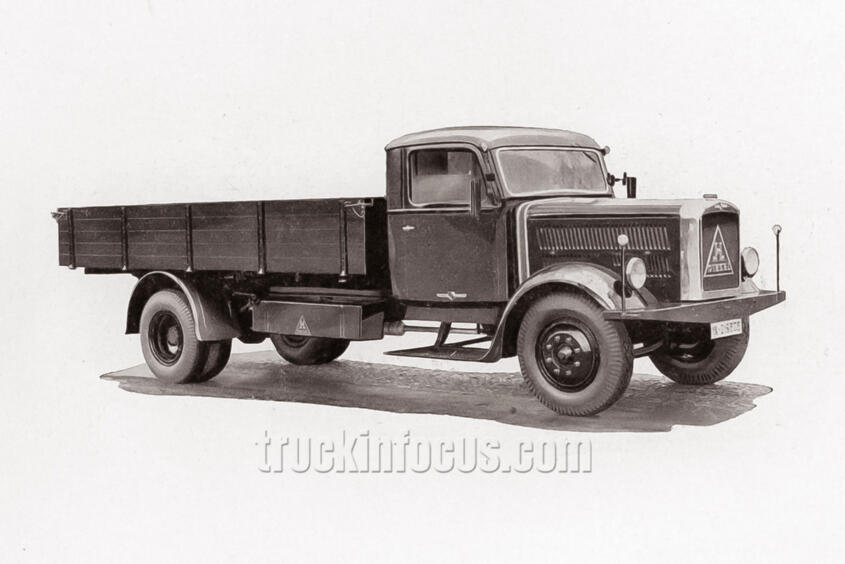
The aforementioned Columbus model with a payload of 1.5 tons was offered from 1934 to 1936 with a more modern appearance, featuring a slanted radiator grille and windshield. In addition, from 1936 to 1938, there was the two-ton Bremen IV model with a 50 hp engine, available with either a gasoline or diesel engine. The Bremen III model still had angular shapes, but like the Columbus, the Bremen series also received the new design in 1936.
The same applied to the next larger series, the three-ton Europa. Its 70 hp six-cylinder engine enabled the vehicle to reach speeds of up to 80 kilometers per hour. The Europa III, introduced in 1932 with its angular appearance, was replaced at the end of 1935 by the Europa IV with its rounded shapes. From 1937, it was known as the “2 1/2-ton diesel” or “2 1/2-ton gasoline.” Production had to be discontinued in 1938.
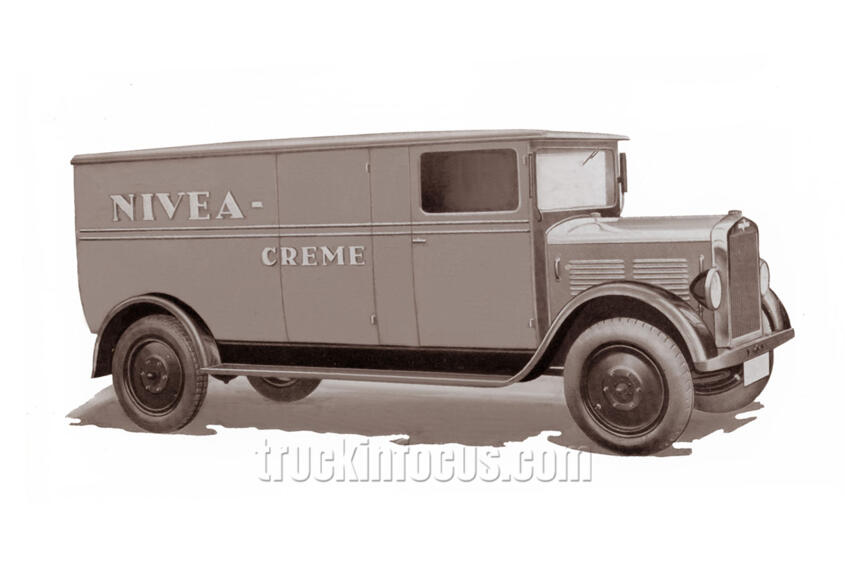
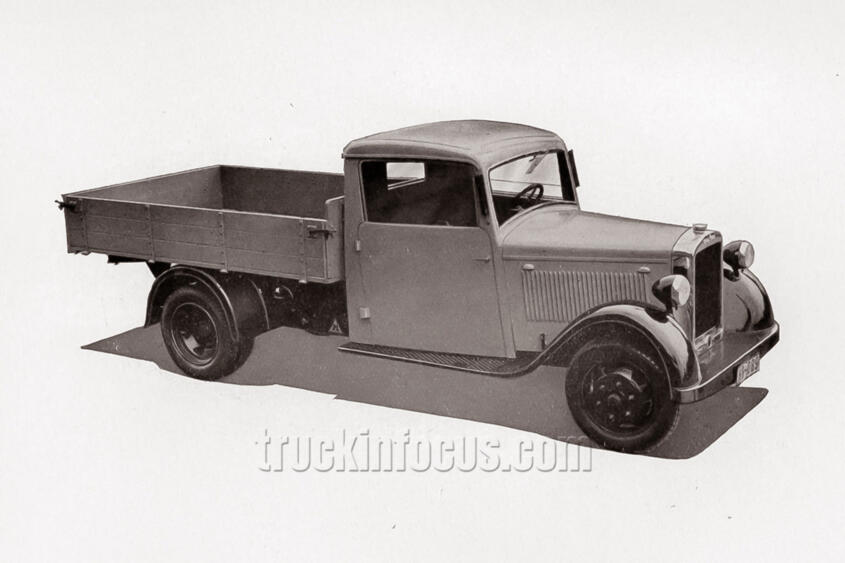
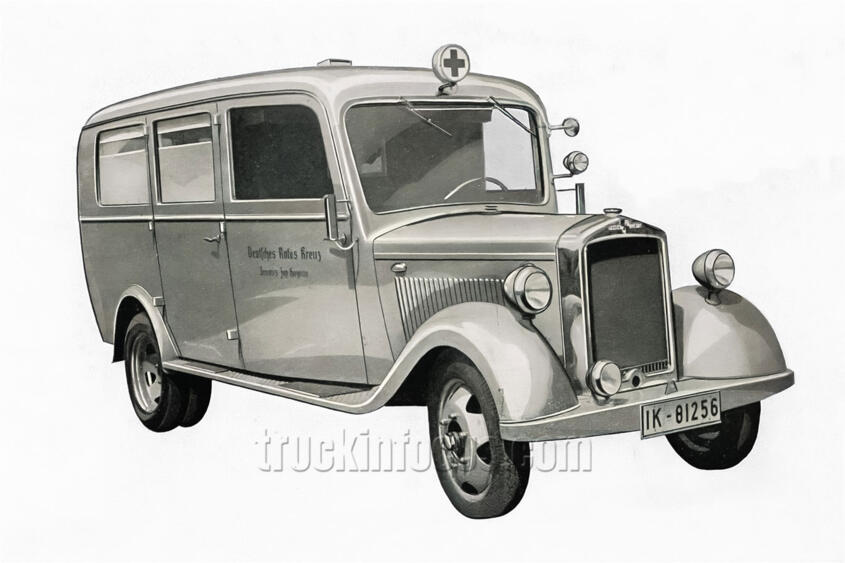
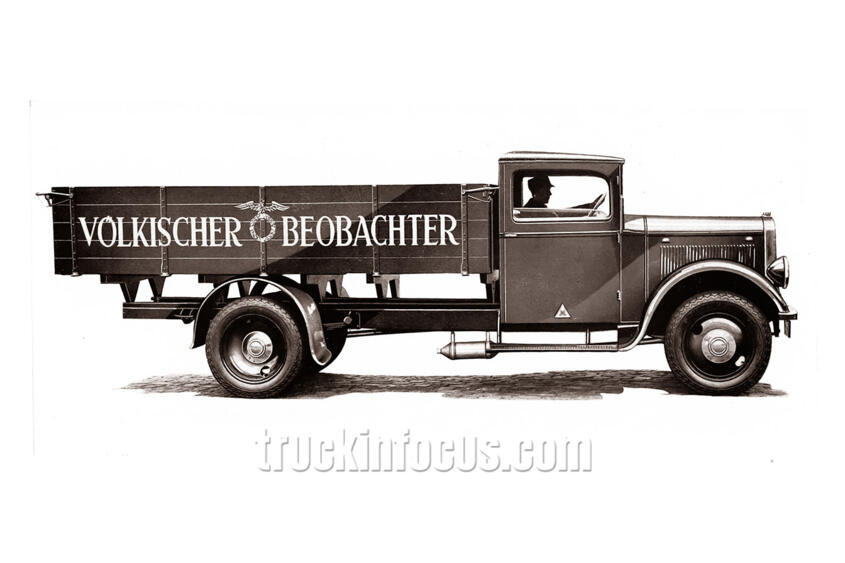
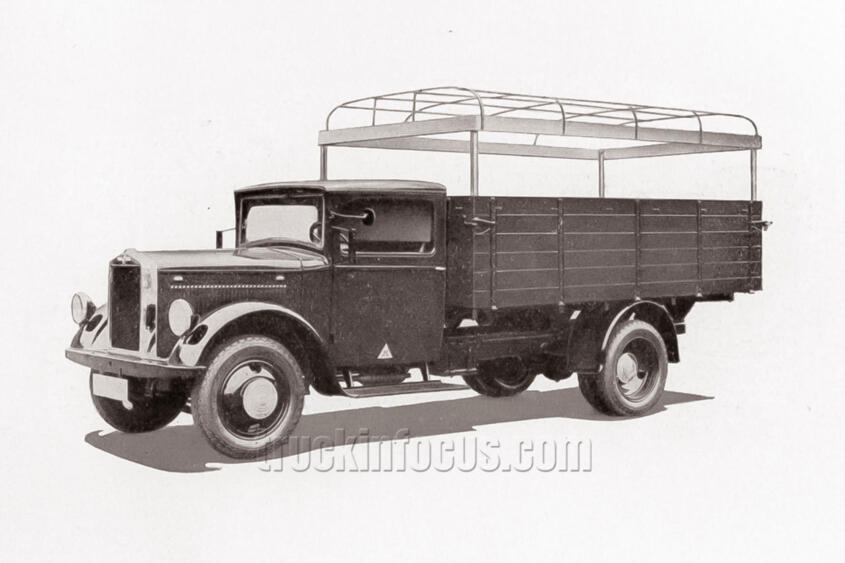
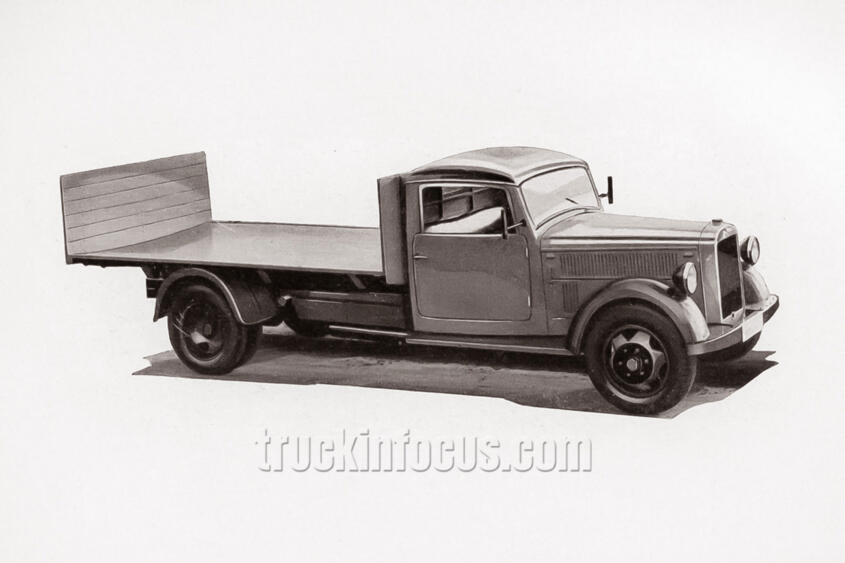
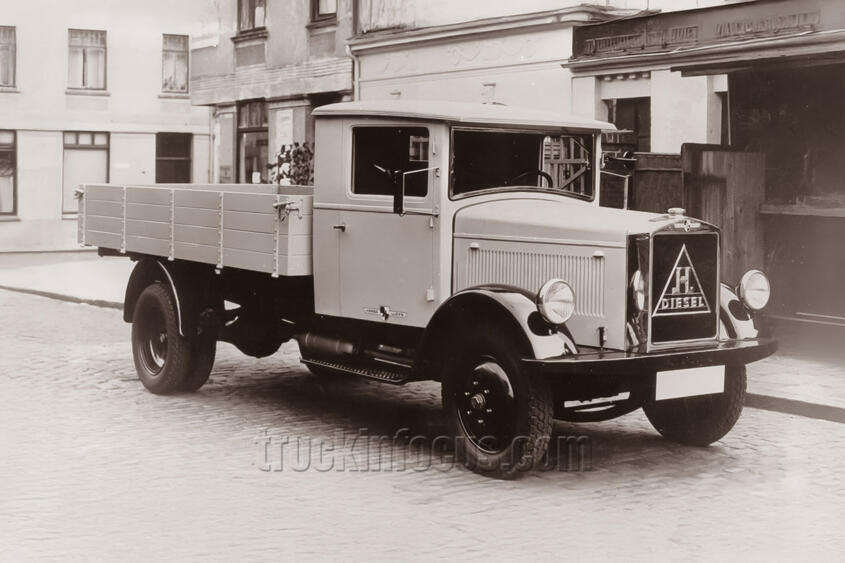
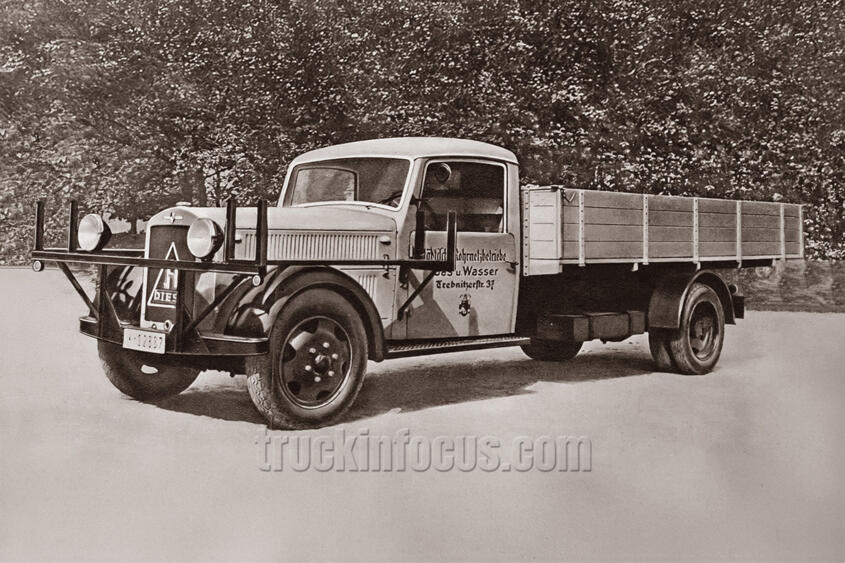
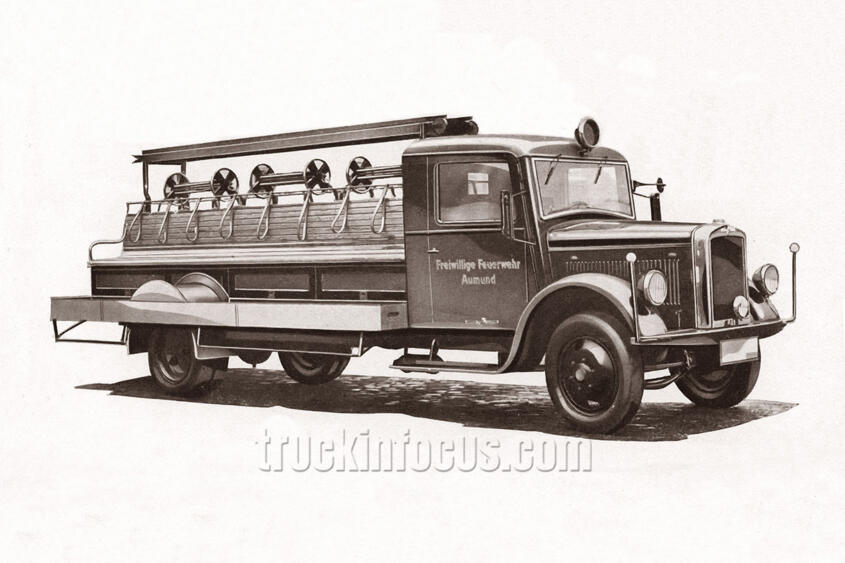
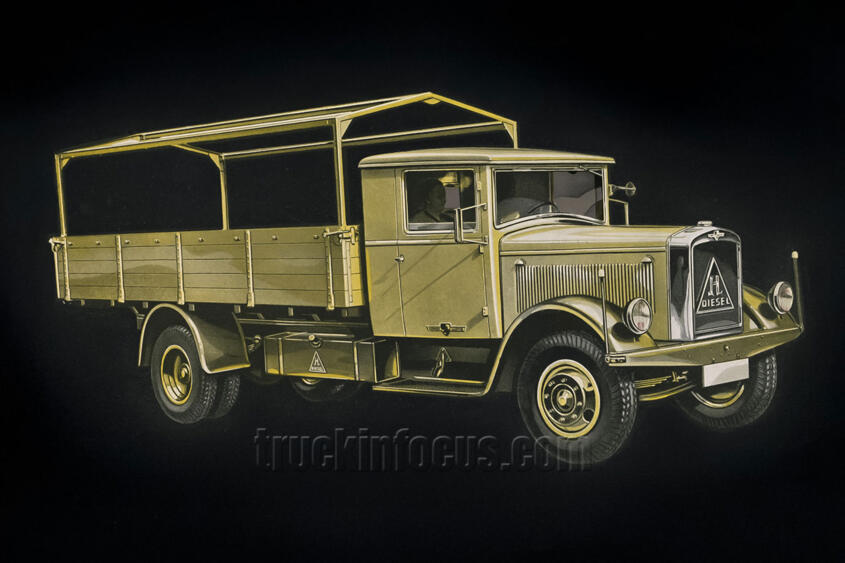
Hansa-Lloyd launched the one-and-a-half-ton Columbus I in 1931. The identical Goliath Superior had already been released a year earlier, but was discontinued in 1932 – presumably so as not to compete with the Columbus. It was powered by a four-cylinder gasoline engine with 40 hp until it was replaced by the Columbus II in 1934.The completely redesigned 1.25-ton Columbus II, introduced in 1934, had a completely different appearance from its predecessor and also had no technical similarities with it. It was equipped with the 1.7-liter six-cylinder engine from the Hansa 1700 passenger car, which was released in the same year. The engine produced 36 hp and, with a fuel consumption of 11 liters, allowed a top speed of 55 kilometers per hour.1934 Hansa-Lloyd Columbus II as an ambulance for the German Red CrossIn 1933, the two-ton Bremen III replaced its predecessor, the Bremen II. It was equipped with the Hansa-Lloyd D 4 M 3 diesel engine, which had an output of 45 to 50 hp. The four-cylinder engine had a displacement of 2,972 cubic centimeters and a top speed of 60 kilometers per hour. The illustration is taken from an advertising brochure for the Bremen III model, for which a truck bearing the inscription “Völkischer Beobachter” (People's Observer) was chosen. From December 1920 to April 30, 1945, the “Völkischer Beobachter” (VB) was the official newspaper of the German Nazi Party (NSDAP). In sharp contrast to bourgeois newspapers, the ‘VB’ described itself as the “battle newspaper of the National Socialist movement of Greater Germany” and was programmatically more interested in agitation than in information. Initially, the VB appeared twice a week, but from February 8, 1923, it was published daily (Wikipedia). We have removed the swastika that was originally located in the laurel wreath.The Bremen III model from 1933 retained its angular appearance until it was replaced three years later by its successor, the Bremen IV.The Bremen IV model not only looked much more modern than its predecessor thanks to its new cab, but the longer hood, under which a 55 hp six-cylinder diesel engine now worked, also made the two-ton truck appear more elegant. From 1937 onwards, the name “Bremen” was dropped and replaced by a sober “2-ton truck,” as required by the new regulations.The next larger model was called Europa and initially had a payload of three tons. The picture shows the Europa III from 1934.The Europa III was a robust truck equipped with a six-cylinder diesel engine with a displacement of 4494 cubic centimeters, which produced 70 hp.In 1936, the Europa III was replaced by the Europa IV. Not only did it have a completely different appearance, but it was also technically redesigned and had to compromise on capacity. Instead of three tons of payload, it could only carry two and a half tons. In 1937, it finally lost its name and was instead called the “2.5-tonner.” In 1938, production had to be discontinued anyway.The Europa IV model (renamed the “2.5-tonner” in 1937), introduced in 1936, was marketed as a fast truck. It was equipped with a 55 hp six-cylinder diesel engine with a displacement of 3.6 liters and reached a maximum speed of 75 kilometers per hour. Alternatively, there was a 75 hp six-cylinder gasoline engine with a displacement of 3.5 liters, which gave the vehicle a maximum speed of 85 kilometers per hour.Of course, the Europa IV was also available as a chassis with a hood. This allowed customers to have the cab and bodywork customized to their own requirements. This sometimes resulted in vehicles whose proportions did not really correspond to the ideal dimensions, even if there was plenty of space in the cab.The volunteer fire department in Aumund, a district of the Bremen borough of Vegesack, had ordered this Merkur III. The bodywork, which was standard at the time, was designed to transport an entire firefighting team, who could jump out of the vehicle at the scene of the fire without delay to begin extinguishing the blaze.
The successor to the 3.5-ton Merkur II from 1933 was the 4-ton Merkur III, which was designed for heavy transport tasks. It also replaced the four-ton Roland model from 1930, which was equipped with an 82 hp engine from Motorenwerke Mannheim (MWM). The Merkur was available with different wheelbases and also as a tipper and road tractor (express tractor). It was powered by a six-cylinder diesel engine from Humboldt-Deutz, initially with 75 hp and later with 85 hp. In 1936, the Merkur III was replaced by the heavier Merkur IV, which could carry up to five tons of payload. The Merkur IV stood out from its predecessor with a more modern cab. Its engine power was now 100 hp. From 1937, it was called the “4 1/2 to 5 tonner,” and 1938 also marked the end of its production.
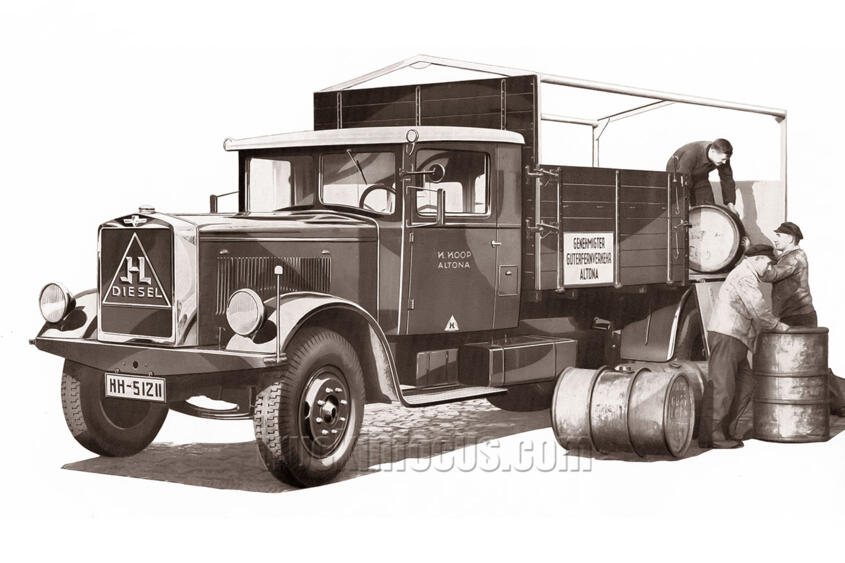
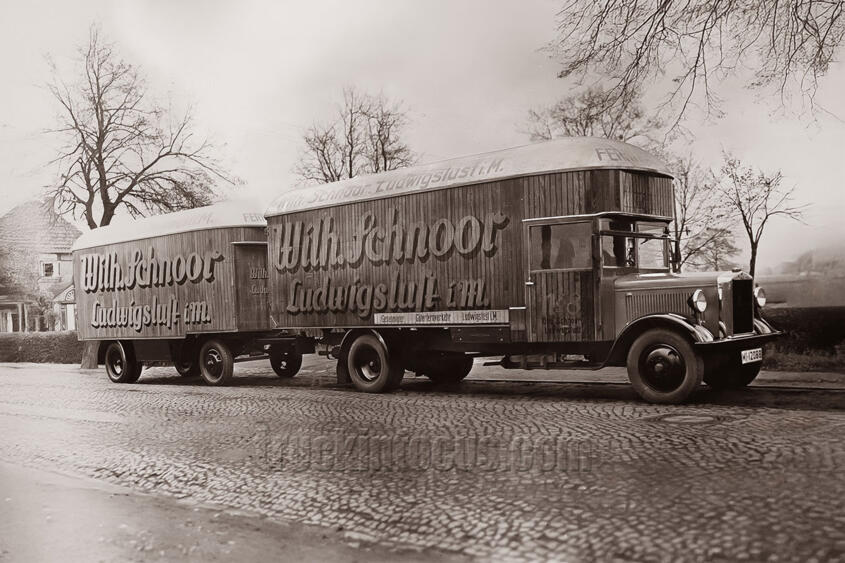
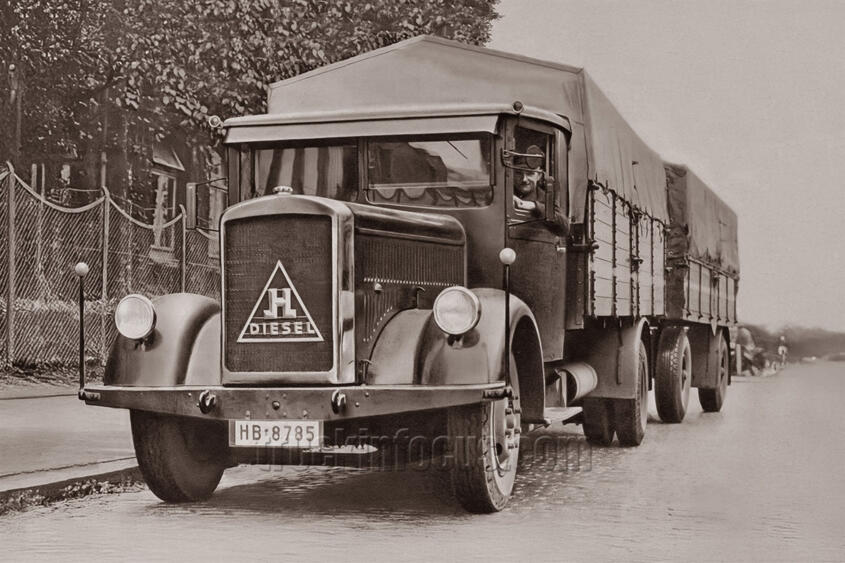
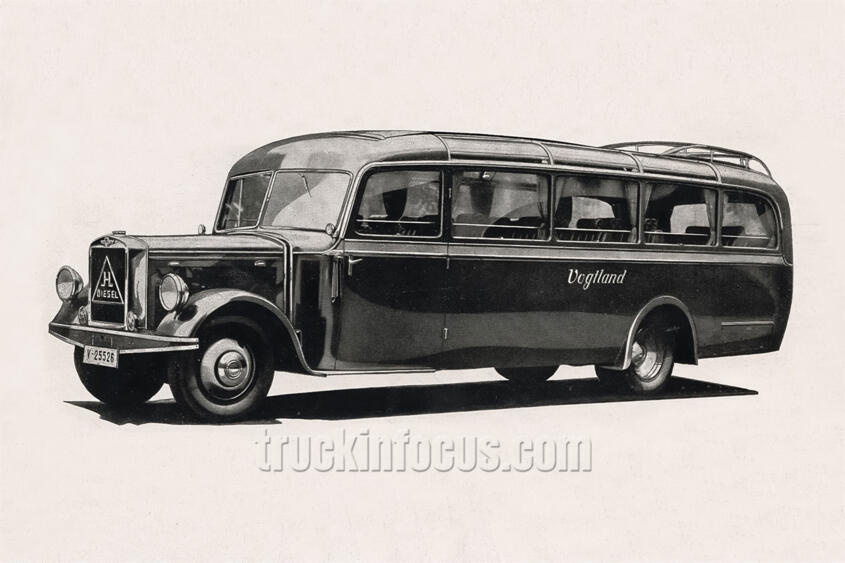
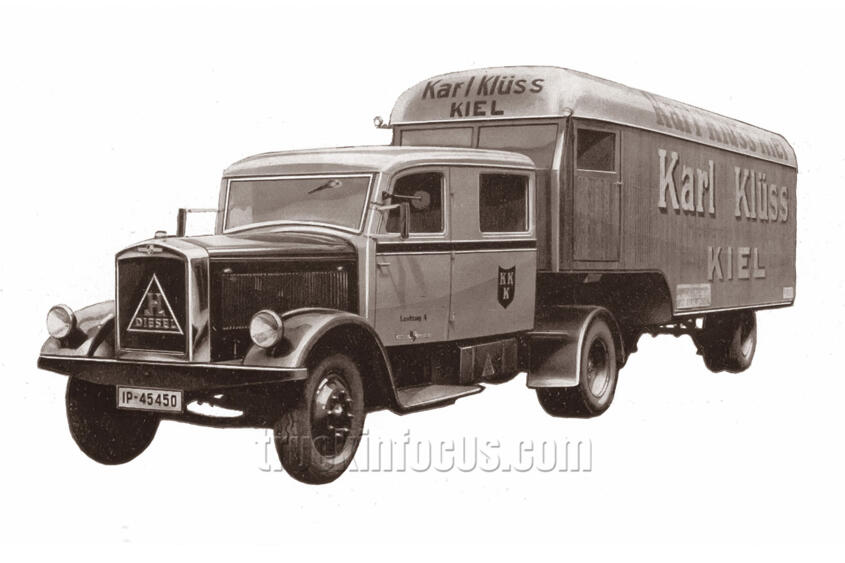
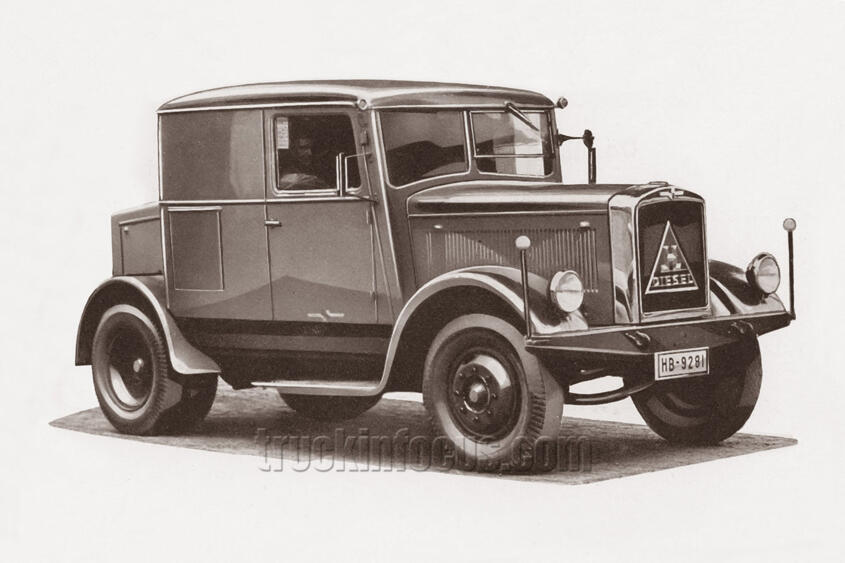
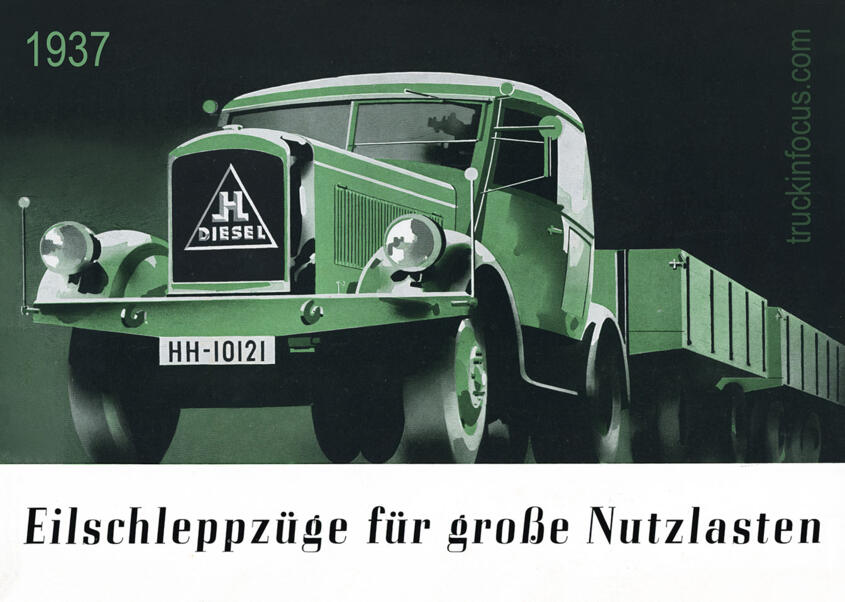
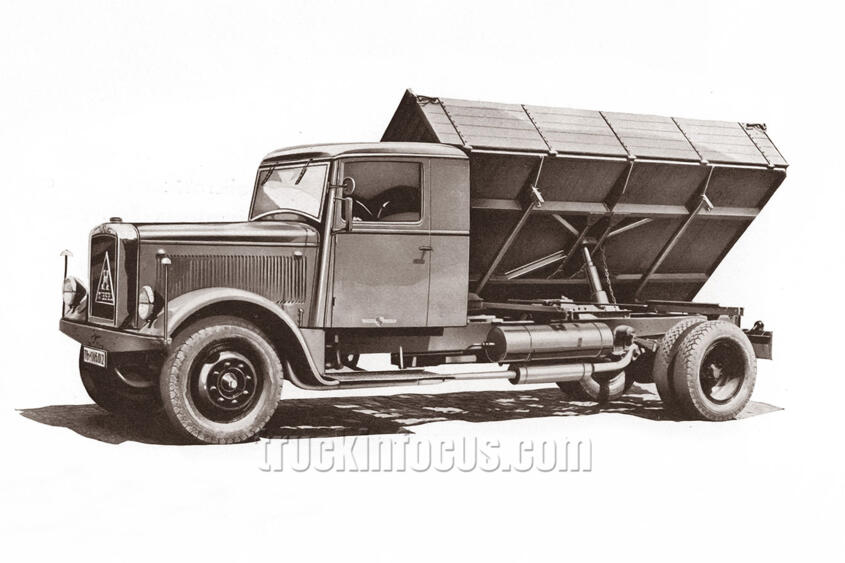
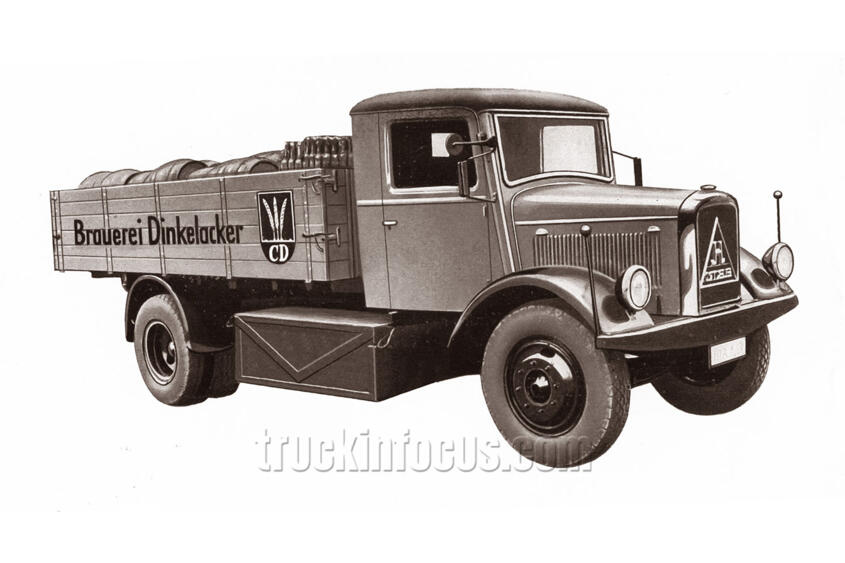
The heaviest series from Hansa-Lloyd was called Merkur. We are dedicating an entire photo gallery to these four- to five-ton trucks, as they were undoubtedly the most impressive trucks produced by the Bremen-based truck manufacturer. The first photo is from an advertising brochure and shows the 1934 Merkur III being loaded with barrels – without any loading aids or forklifts (which had yet to be invented).This photo shows a furniture transporter with trailer based on the Hansa-Lloyd-Merkur III from 1932, bodied by Buschbaum in Hanover. At the time, this type of body was known as a wooden slat construction.An imposing sight: the Merkur III with trailer, probably somewhere in Bremen in the mid-1930sThe Hansa-Lloyd Merkur was designed for heavy transport tasks in local and long-distance traffic. Introduced in 1932, the Merkur III could be loaded with up to four tons, making it the top payload class. Equipped with a 6-liter Humboldt-Deutz diesel engine with 80 hp, it was available with three different wheelbases ranging from 4.4 to 5.2 meters. Its top speed was 50 kilometers per hour with a fuel consumption of 22 liters of diesel per 100 kilometers.There was also a version of the Merkur III with a cranked low frame chassis, which was particularly suitable for bus bodies.This version of the Merkur III for long-distance transport with a sleeping compartment is also interesting. The bunk protruding into the cargo area was often referred to as a “swallow's nest” at the time and was common in many long-distance vehicles until the 1960s.The Merkur with a short wheelbase was also suitable as a semi-trailer truck. The picture shows a Merkur IV from 1936. The payload had been increased to four and a half to five tons. The cab was more modern in design with a continuous, sloping windshield and rounded shapes. The extended cab of the moving semi-trailer truck not only provided space for the personnel required for removals, but also for customers who often traveled with them to accompany their move themselves – especially if they did not have their own car.Hansa-Lloyd also offered the Merkur as an express tractor. It was suitable for operation with two trailers and for trailer loads of up to 15 tons. Its 100 hp diesel engine with a displacement of 7.6 liters enabled a top speed of 64 kilometers per hour in fifth gear – but only when unloaded. Weights were attached above the rear axle to increase the traction of the wheels when towing heavy loads.Cover image on a brochure from 1937Merkur IV as a three-way tipperThe Merkur IV, introduced in 1936, stood out from its predecessor with its more modern cab. Its engine power was now 100 hp. From 1937, it was called the “4 1/2 to 5 tonner.” In 1938, its production had to be discontinued.
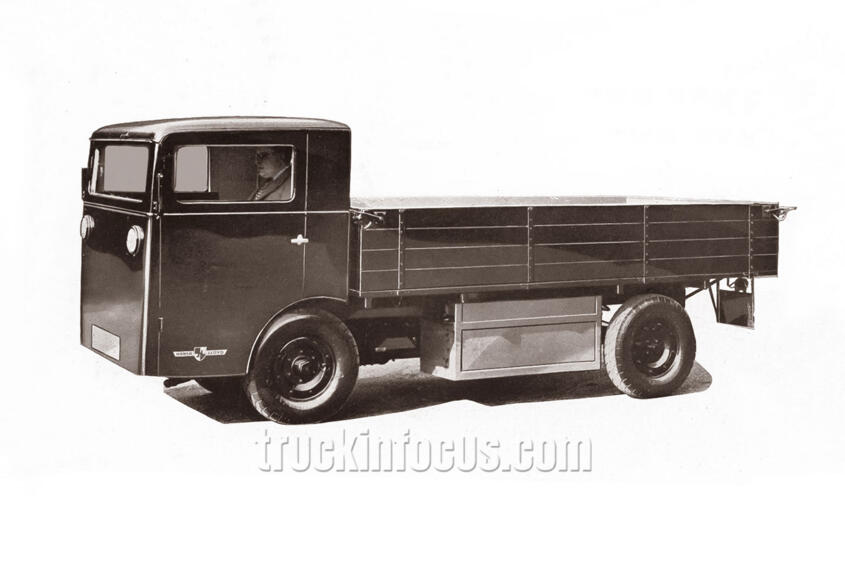
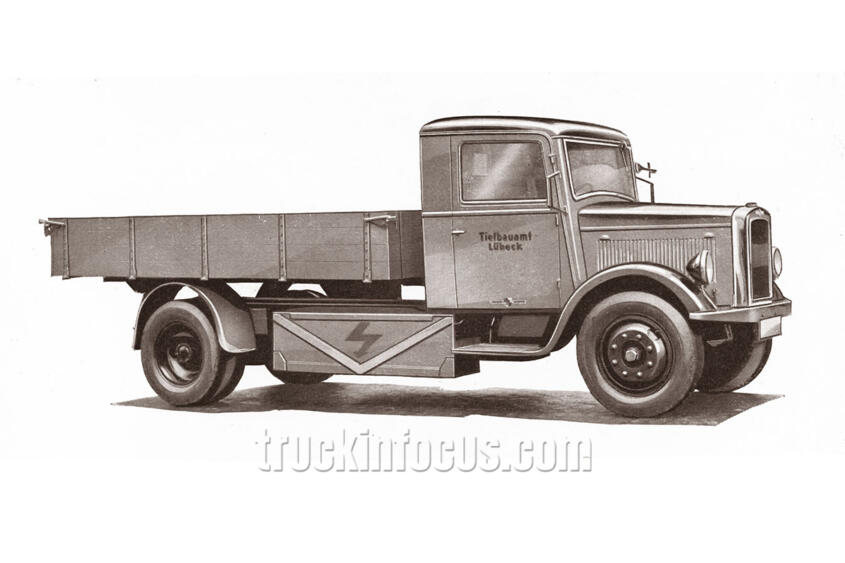
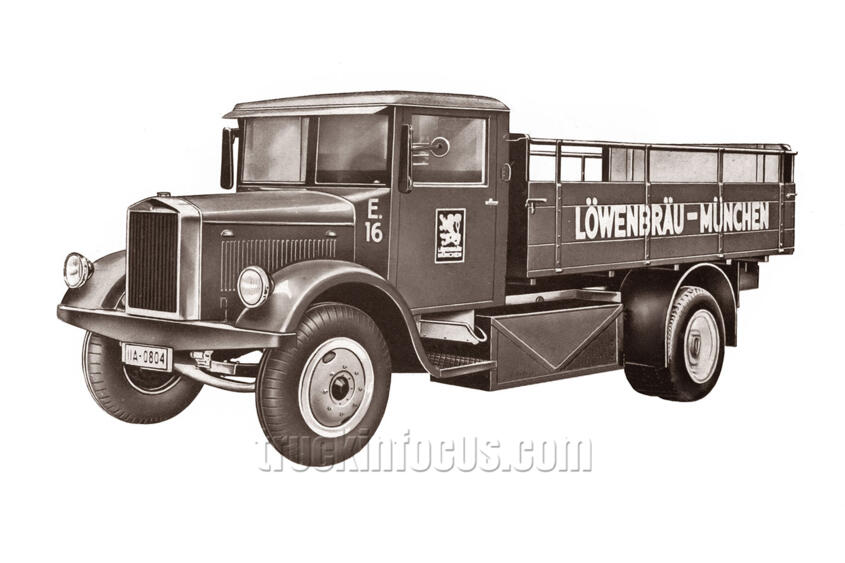
The electrically powered commercial vehicles are also worth mentioning. Their advantages lay in their quiet, uncomplicated, reliable, and economical operation. The smallest of these vehicles were the Hansa-Lloyd electric carts EK 1, EK 1.5, EK 2, and ETKN. They were mostly used internally by the Reichspost, the Reichsbahn, in breweries, and warehouses. Production began around 1923 and continued in some cases until 1939. The electric drive was wear-free and economical. A single battery charge provided a range of around 50 kilometers. The ETKF was a cabover with a cab similar to that of the Goliath Express and Atlas models, but with two side doors. The payload was one and a half to two tons. The EL 3.5 was available as early as 1914, followed later by the EL 1 to EL 3 models and the heavy-duty E4 and E5 variants. With payloads of up to five tons, they were considered heavy trucks at the time. The range on a single battery charge was 60 to 70 kilometers.
The ETKF electric driver's seat cart, developed in 1936 with a load capacity of 1.5 to 2.0 tons, differed from its smaller versions in that it had a closed cabover cab. Variants with lower load capacities had to be driven standing up and did not have a cab.This illustration shows the EL 3 electric three-ton-truck from 1937. The smaller variants were called EL 1 and EL 2, with the respective payload determining the number in the type designation. The EL 3 was powered by an 80-cell battery with a capacity of 200 ampere hours. This enabled a top speed of 25 to 28 kilometers per hour. The range on flat terrain was specified as 60 to 70 kilometers, and the charging current for a battery charge was 40 kilowatts.The 80 battery cells of the E4 electric four-ton truck had a capacity of 250 ampere hours. The maximum speed was 25 to 28 kilometers per hour, the range was 60 to 70 kilometers on flat terrain, and the charging current for a battery charge was 50 kilowatts.The heaviest electric truck from Hansa-Lloyd was the E 5 model with a payload of five tons. It carried batteries with a total of 80 cells and a capacity of 300 ampere hours. As with the two smaller models, the maximum speed was 25 to 28 kilometers per hour and the range was 60 to 70 kilometers. However, 60 kilowatts were required to charge a battery.
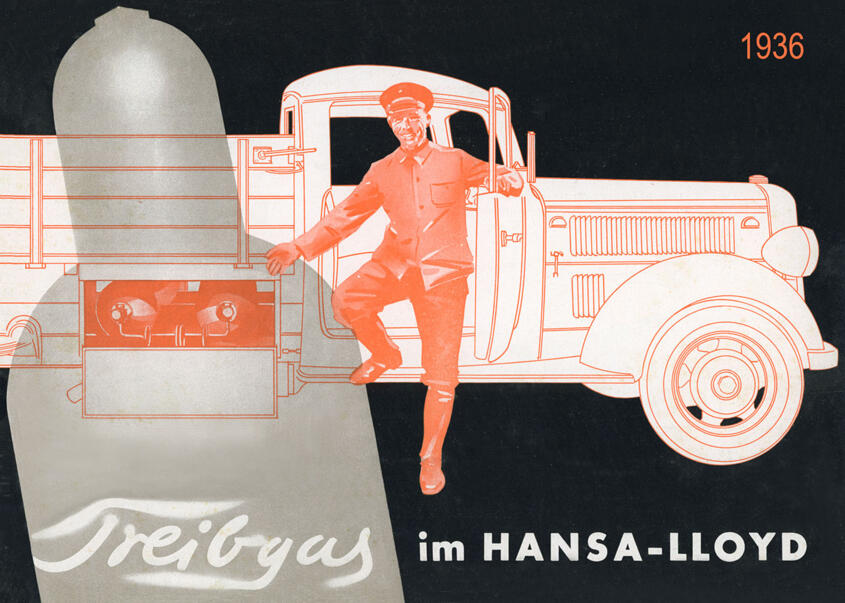
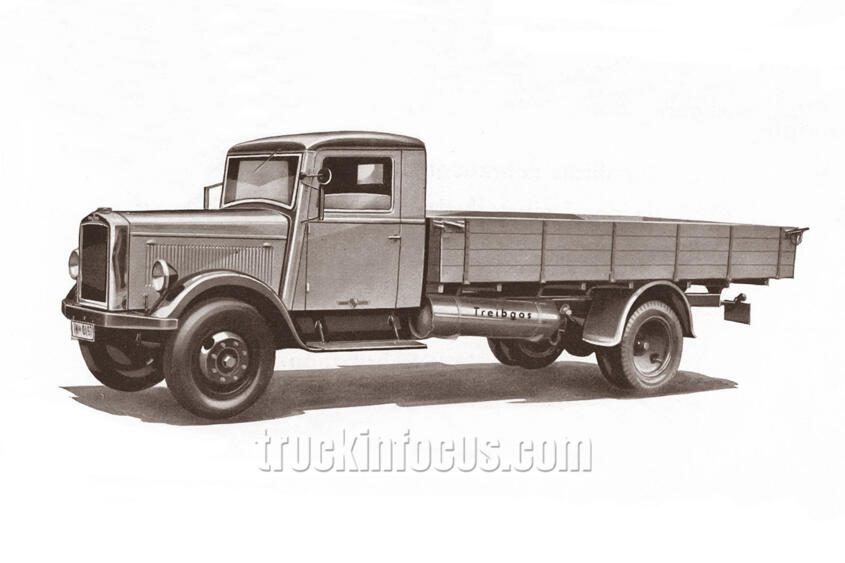
From the mid-1930s onwards, Hansa-Lloyd also offered a version powered by Leuna propellant gas. Instead of fuel tanks or batteries, the vehicles carried two steel cylinders of propellant gas. It was possible to convert gasoline vehicles. The main advantages were tax savings of up to 74 percent and a reduction in operating costs of up to 25 percent. They were also advertised as having low maintenance costs and a long range.
The driver of this Hansa-Lloyd propellant gas vehicle looks very relaxed, as he probably had a thorough understanding of propellant gas. There were basically two types: rich gas from group A and lean gas from group B. Rich gas included butane and propane as well as many brand-name products from different manufacturers. All of them had to have a calorific value of less than 14,000 WE/cbm. Low-grade gas included town gas, digester gas, and other gases with calorific values of less than 4,500 WE/cbm. All of these gases enabled economical operation of gasoline engines, although the installation of various additional systems was necessary. In the brochure shown, propellant gas operation was touted as easy to use, reliable, and low-maintenance.Trucks with gasoline engines could be converted to economical propellant gas operation. The illustration shows a Hansa-Lloyd three-ton truck with a propellant gas cylinder instead of a fuel tank.
In the spring of 1939, the International Automobile and Motorcycle Exhibition (IAMA) took place in Berlin. The exhibition was dominated by Nazi propaganda: Adolf Hitler appeared at the opening and had his picture taken with Ferdinand Porsche and other personalities from the automotive industry. At the Hansa-Lloyd stand, there was a small brochure promoting exclusively the 1.5-ton vehicle, i.e., the former Columbus model. Six months later, Hitler ordered the invasion of neighboring Poland.