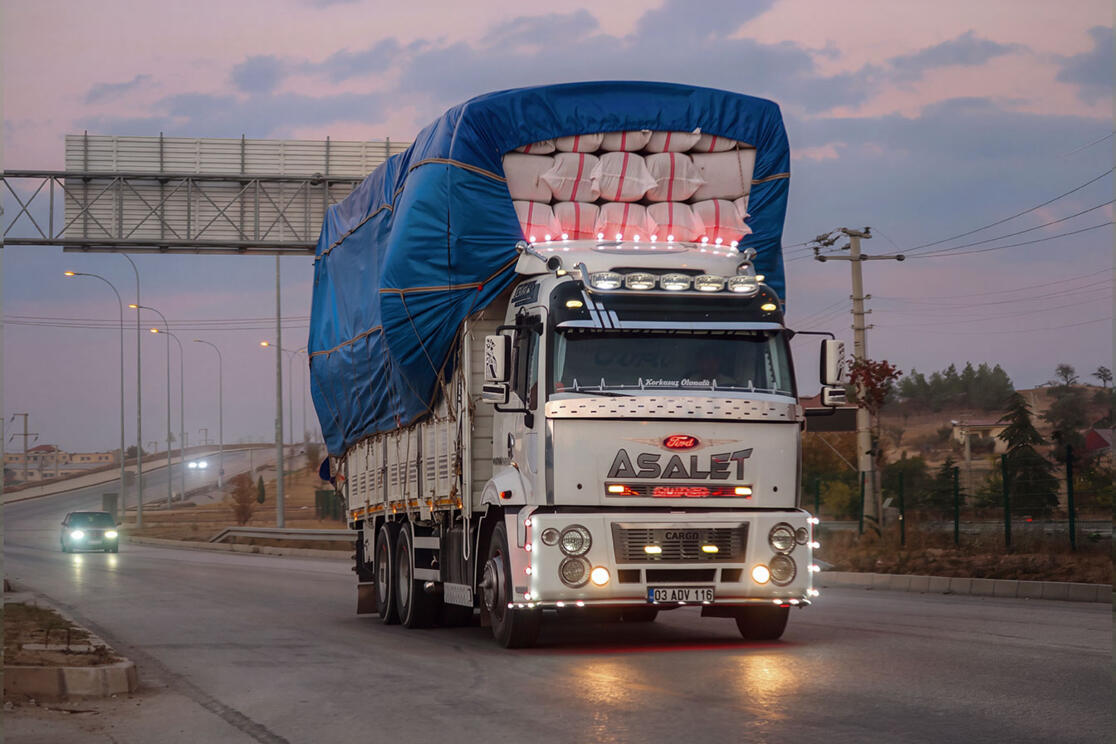
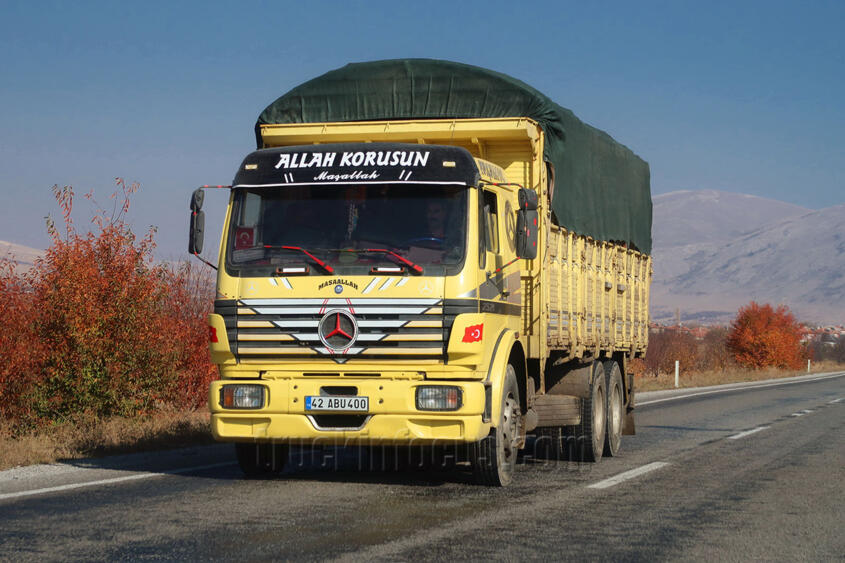
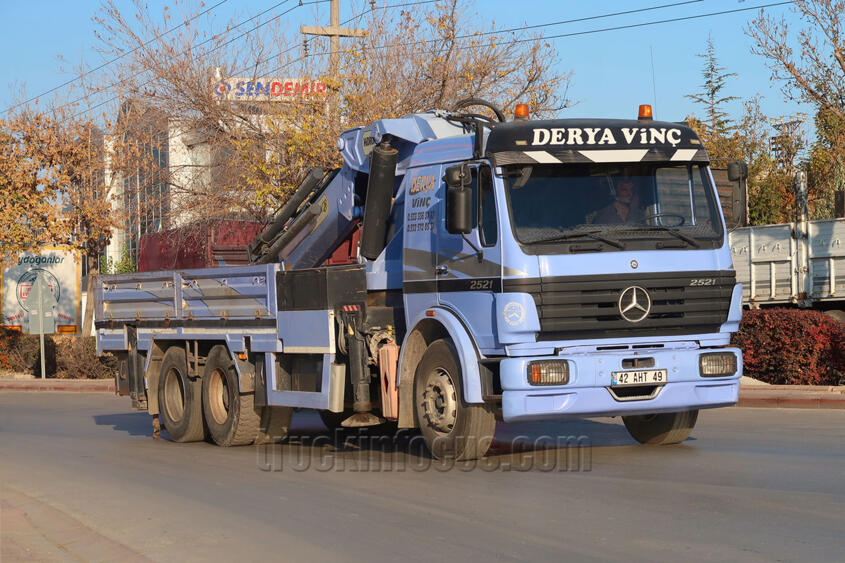
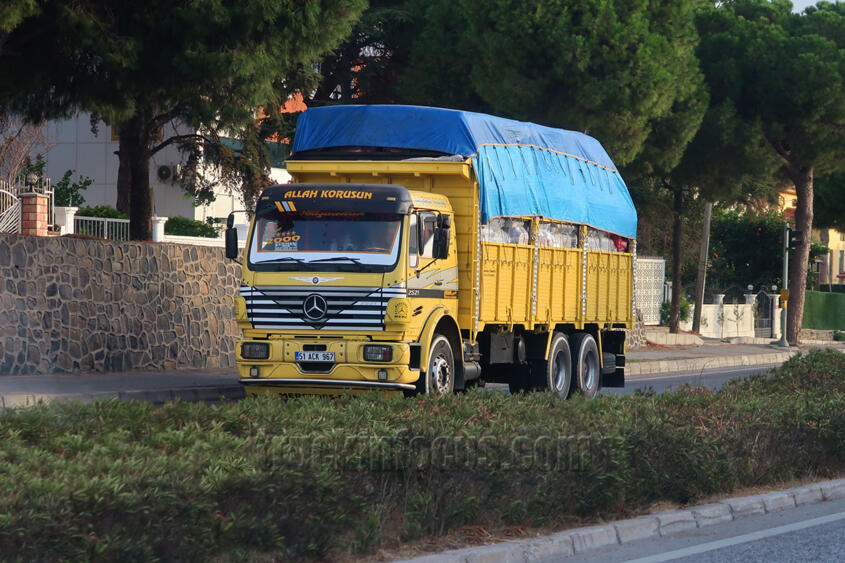
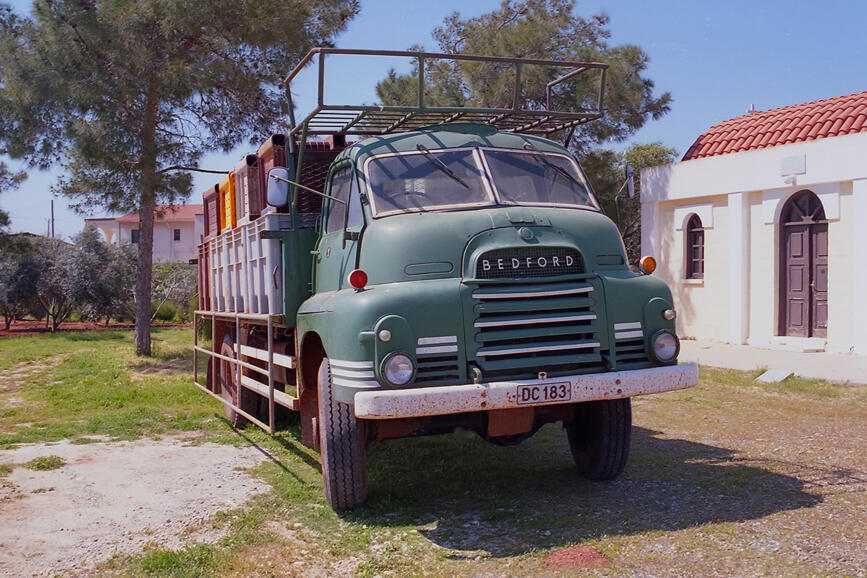
This article spent about four years tucked away in a digital drawer. It waited patiently to be published — and now the time has come: truck spotting in Turkey is great fun if you’re a truck enthusiast. Turkish trucks from Ford, BMC, and Askam, decorated Mercedes-Benz and MAN veterans, and friendly encounters made our 2022 photography trip a special experience. Over 3,400 kilometers, our search for trucks with character took us through stunning landscapes, sleepy villages, and bustling cities.
We first traveled to Turkey in 1980, in the Diesel Queen, our former furniture truck converted into a motorhome. I was traveling with my partner Berta and our six-year-old son. We had originally planned to head to the Far East, but then the Iran–Iraq War broke out and we stayed in Turkey. For half a year, we had wonderful experiences in places that barely knew tourism at the time. And I pursued my passion for photographing trucks like a man possessed. Many were of European origin, but others were unlike anything I had seen before. I marveled at Turkish truck manufacturing and at vintage trucks that had long since disappeared from their home countries. By the end, I had taken countless photographs. I will be sharing many of them on truckinfocus.com. For this article, though, this paragraph serves only as a preface.
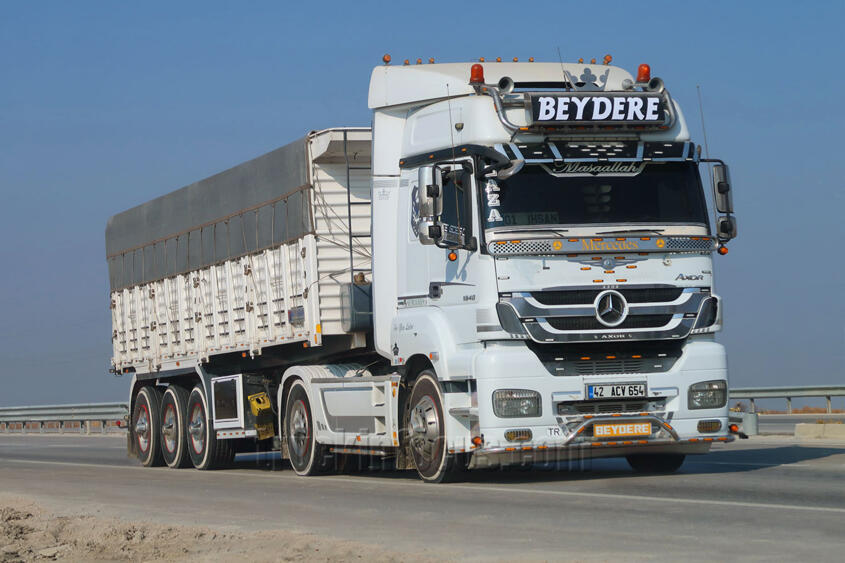
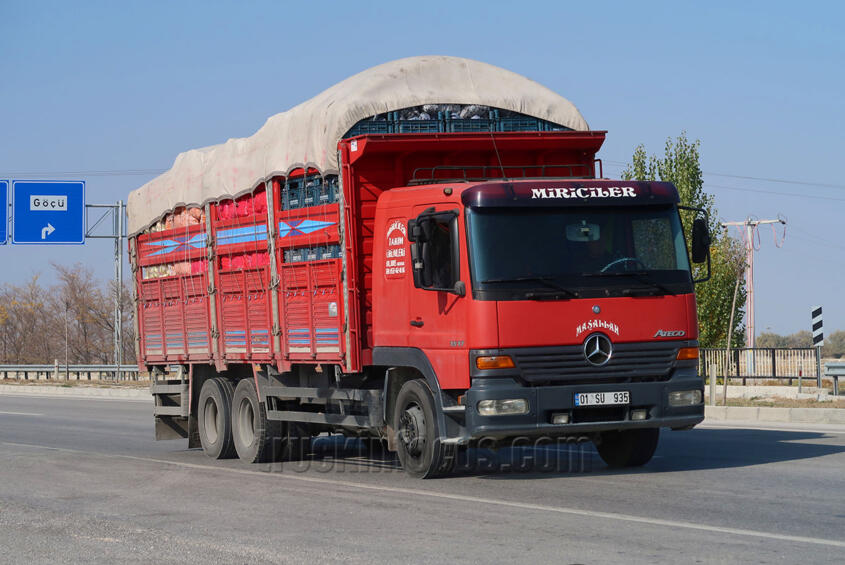
We frequently came across Mercedes-Benz trucks from the SK II series, which was offered in Germany from 1994 to 1998. The Turkish version had the doors of the preceding NG series. Production of the Axor began at the Turkish Mercedes-Benz plant in Aksaray in 2001. Whether SK production ended at the same time remains unclear.Mercedes-Benz SK II trucks in Turkey often, though not always, sport elaborate paint schemes. This SK II, a 2624 fitted with a heavy loading crane, had a relatively conventional paint job. It was traveling through Konya’s truck repair district.The phrase “Allah korusun,” which translates as “May God protect us,” appears on a great many trucks in Turkey. It expresses a wish for protection for the vehicle and its occupants.The Axor was built at the Turkish Mercedes-Benz plant in Aksaray from 2001 to 2016 and remains very popular today. It was subsequently replaced by the Actros in the road truck lineup. Not every Axor carries quite so many chrome accessories, but examples like this are a common sight.A light-duty Atego 1517 with three axles and a long cab is an unusual sight to German eyes. Combinations like this are more common in Turkey. Here, considerable ingenuity and craftsmanship go into adapting trucks to their operators’ wishes.
Back in Turkey After 42 Years
In late 2022, we were back in Turkey. I knew there were trucks there that could not be found anywhere else. We booked a 16-day trip from Berlin to Antalya. We picked up a rental car at the airport and drove to a stylish hotel we had chosen back home. The next morning, we set off without knowing where we would end up.
It was a working trip rather than a vacation, especially for Berta. In two weeks, we covered 3,400 kilometers, and once again I photographed countless trucks. Every day, we got up at seven, had breakfast, and set off into a country that felt exotic to us. We never knew where we would end up that evening or spend the night. With no itinerary, we simply followed our instincts, staying wherever there were plenty of trucks or moving on.
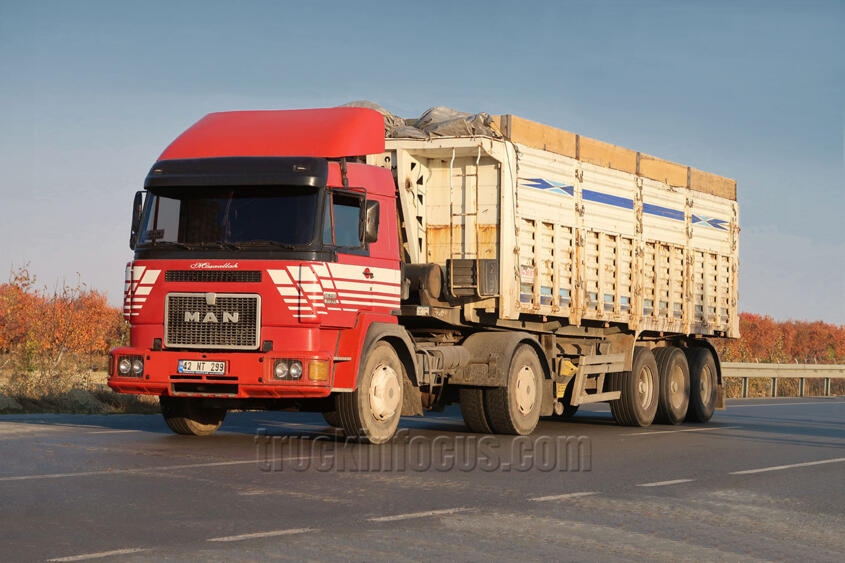
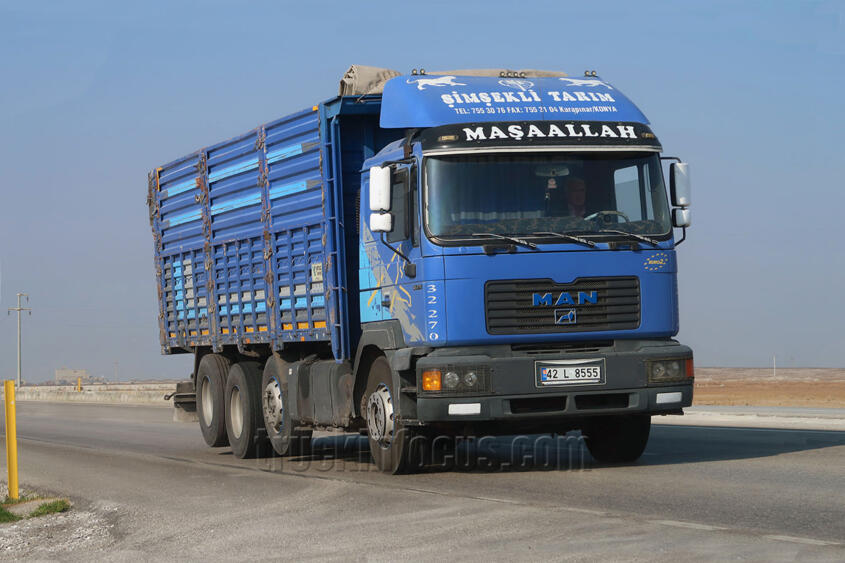
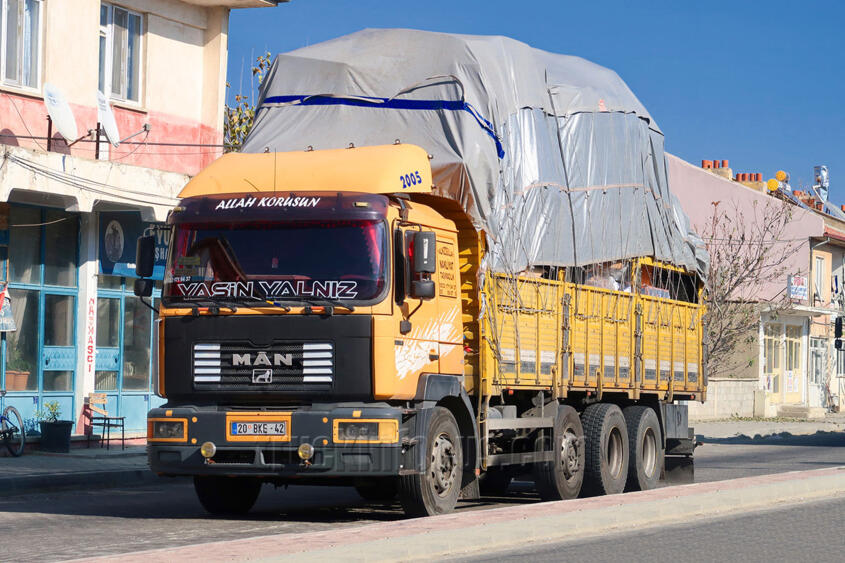
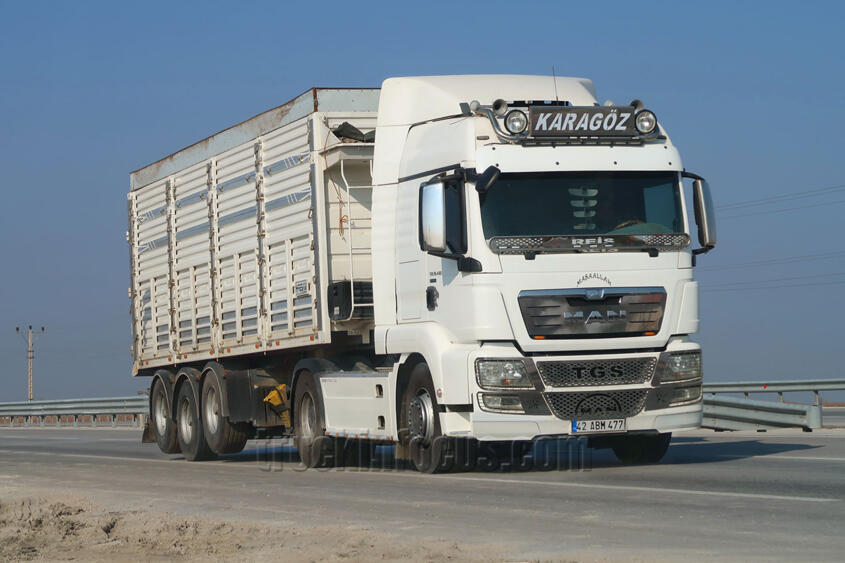
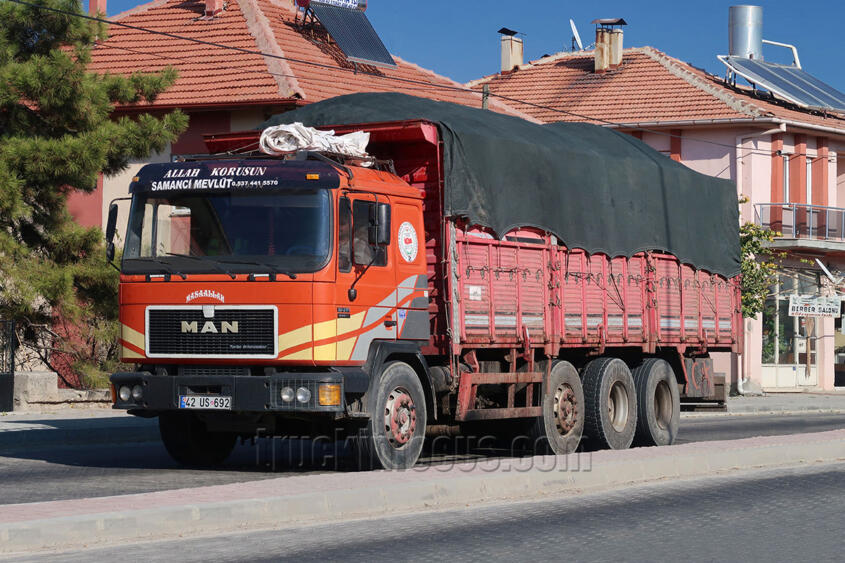
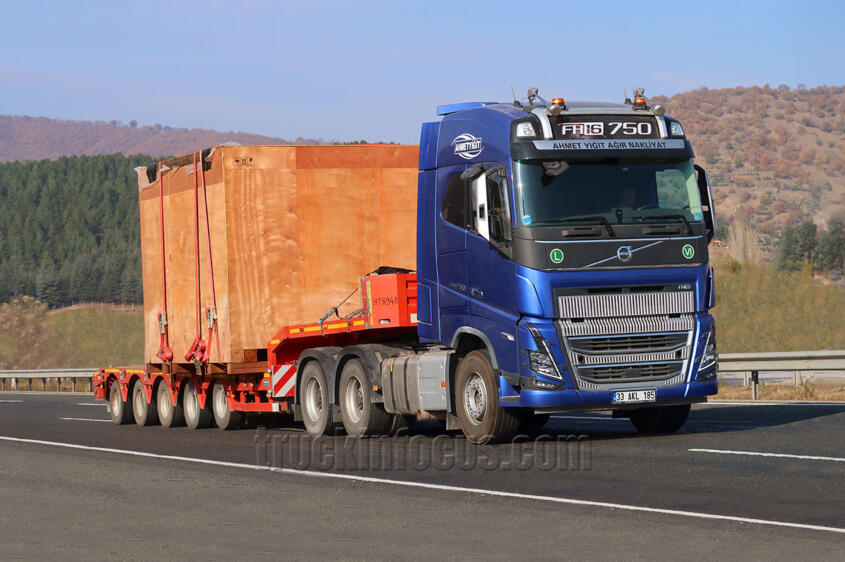
Büssing enthusiasts will recognize the BS cab in this photograph. After MAN took over the Braunschweig-based company in 1971, the cab lived on at MAN’s Turkish subsidiary MANAŞ in Istanbul. It received a MAN grille and was converted to tilt forward, providing access to the vertically mounted engines. At Büssing, by contrast, underfloor engines had been a particular hallmark of the BS series.We came across the MAN F 2000 Evolution relatively often. It was built in Germany from 1998 to 2004. The F 2000 series remained in the Turkish production lineup longer. Truck manufacturing at MAN’s Ankara plant did not come to a complete end until 2006. MAN buses are still built there today. MAN trucks are now available in Turkey only as imports.Another F 2000 Evolution, heavily loaded and making its way through a small Turkish town. The additional axle between the front axle and the rear axle group stands out. This layout, with three axles behind the front axle, is common on Turkish trucks.MAN has offered the TGS since 2007. This tractor belongs to the model’s first generation and sports a variety of chrome accessories in typical Turkish style.The last truck in our sequence of MAN photographs from 2022 is a Turkish MAN F 2000, a 32.270. Twin round headlights and the frame around the grille define its front styling. This four-axle truck also has an additional axle between the front axle and the rear axle group.Not every truck we encountered in Turkey came from an older model line, as this Volvo FH 16 from the 2020 generation shows. The three-axle tractor, rated at 750 metric horsepower, was hauling an oversize wooden crate on a lowboy trailer.
Three Turkish Truck Brands
Two important names in Turkish truck manufacturing are Ford Trucks and BMC. Both have historical roots in the British commercial vehicle industry, but have been manufacturing in Turkey for decades. Behind Ford Trucks is Ford Otosan, a joint venture between Ford and Turkey’s Koç Group. At the time of our trip, BMC had Turkish and Qatari shareholders. Both manufacturers export trucks to numerous countries. The Ford F-MAX, unveiled at the IAA Commercial Vehicles show in Hanover in 2018, is now on the road in many European countries. BMC also had a representative in the Netherlands at the time.
I was mainly looking for trucks from those two manufacturers, but I also found conventional and cabover trucks from Askam that I had never seen before and that had long since gone out of production. They were joined by Mercedes-Benz and MAN veterans in unmistakably Turkish trim, which I found thoroughly exciting. The Axor is particularly popular there and is often decorated with commercially produced chrome accessories. Turkey also has its own distinctive accessories for other trucks. I like anything that stands out from the ordinary.
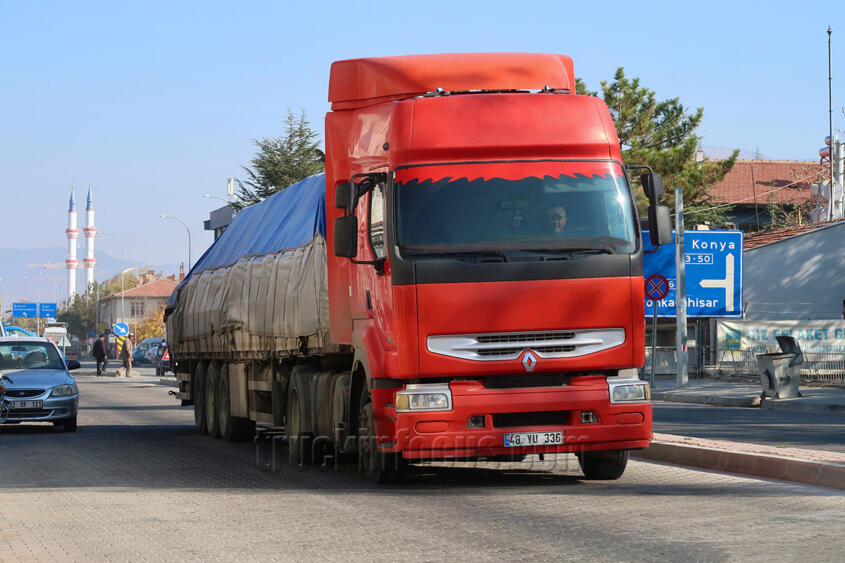
We saw Renault trucks less often. This Premium Route belongs to the first generation, introduced in 1996, and was passing through a town when I caught it on camera. The minarets of the mosque in the background are a typical sight. We saw similar places of worship in almost every town, however small. Many looked newly built. Turkish people we spoke with confirmed my impression that numerous new mosques had been built in recent decades.
Things Went Well, but There Were Conflicts Too
I was prepared for the possibility that people might not always understand why I was photographing their trucks. Before the trip, I wrote a short note explaining that I loved trucks, had traveled in many countries, and had a large photo collection. I asked for their understanding and wished them a safe journey. I had the note translated into Turkish and printed it out. I used it several times, almost always receiving encouragement, a thumbs-up, or a “No problem!”
There were only two unpleasant encounters. On the very first day, I showed my note to the angry driver of a decoratively painted Mercedes-Benz NG as he approached me, gesticulating wildly. He refused to read it and kept berating me until I slunk away without taking the photograph. The second incident happened about ten days later, when I wanted to photograph an old three-axle BMC carrying thick logs and fitted with an additional pusher axle. This time, it was the passenger who jumped out of the cab and approached me, shouting. I could not understand his words, but he was gesticulating wildly and his gestures seemed clear enough to me. I took them to mean that he was going to call the police, that I should wait, and that they would arrest me. He refused to read my nice little note, too. I stayed perfectly calm while he ranted, but the situation was unpleasant. Eventually, the driver came over, read my note, and calmed down his colleague, who may have been his boss. Then I was “allowed” to drive on. Unfortunately, once again I had been unable to take a photograph.
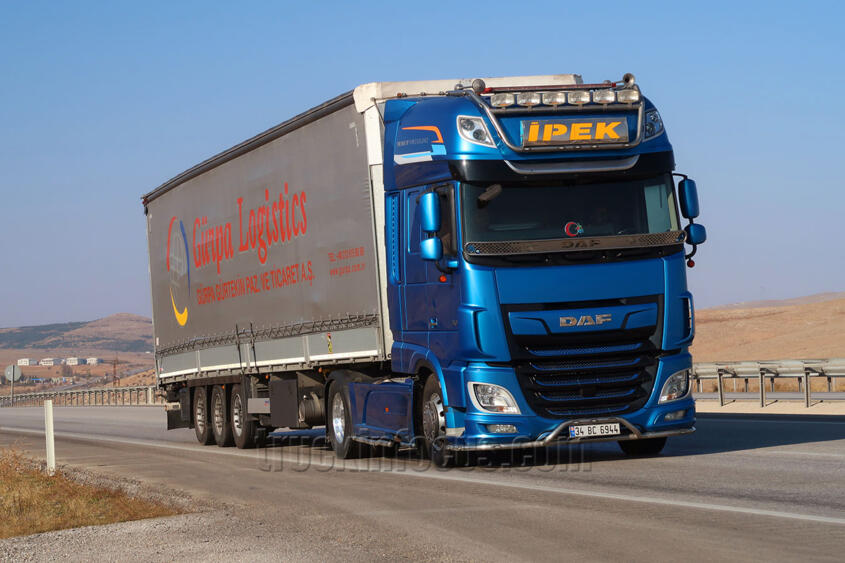
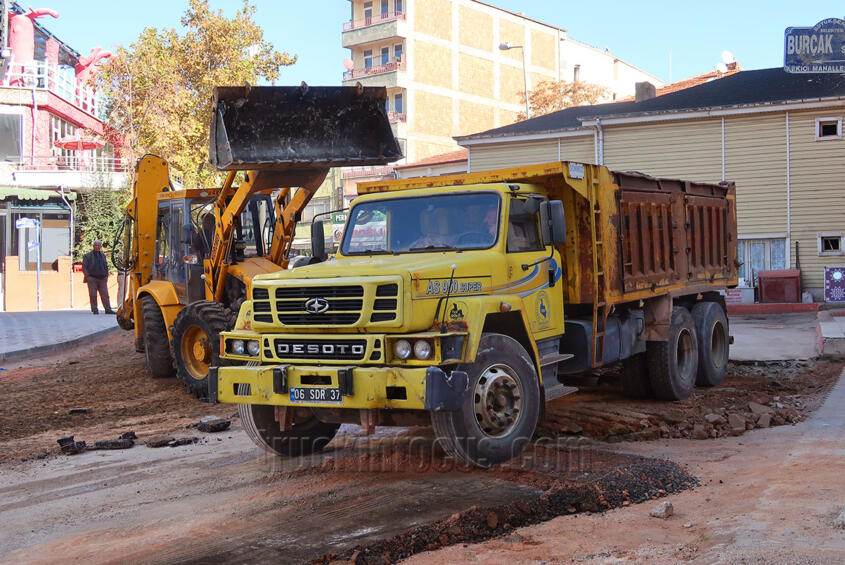
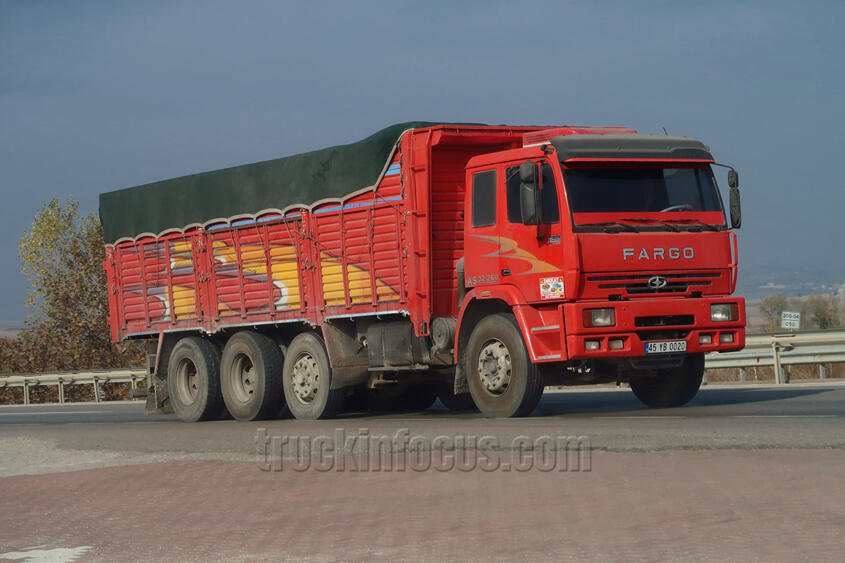
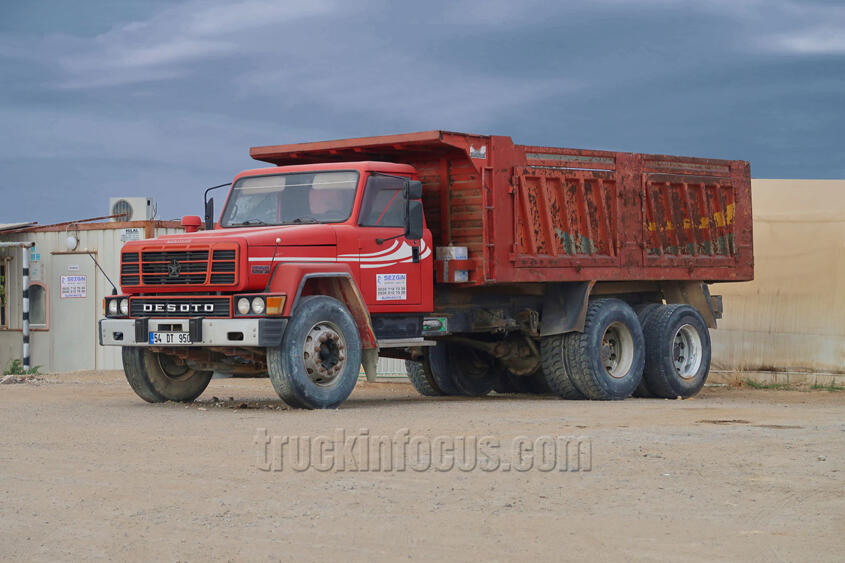
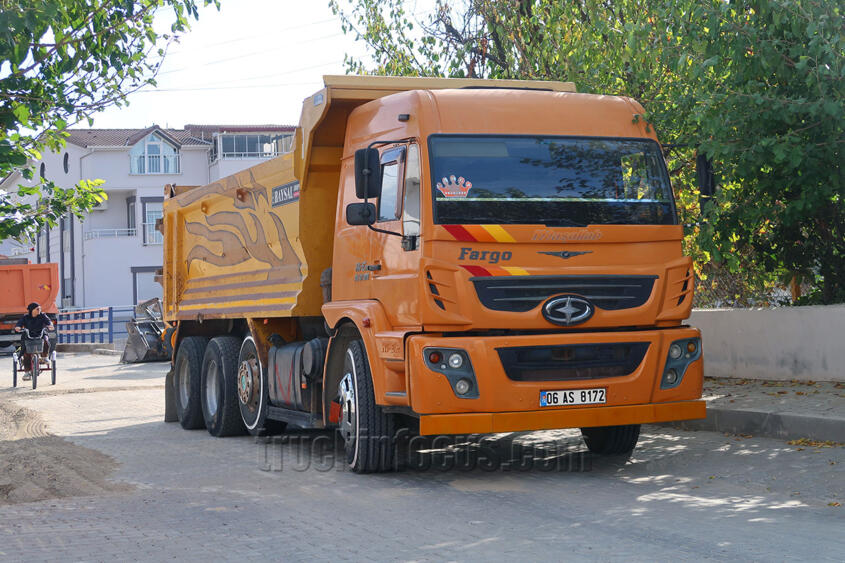
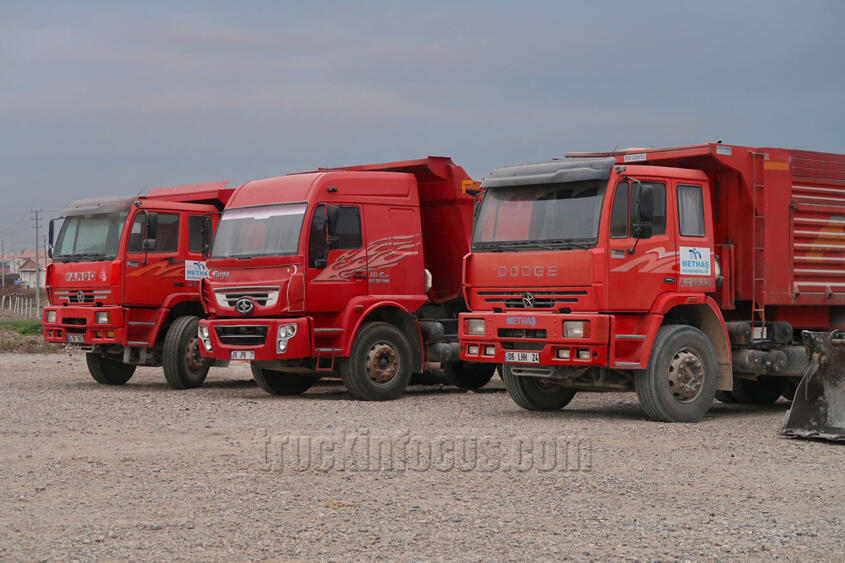
DAF was a more frequent sight. Like many Turkish trucks, this XF from the 2017 generation was immaculately maintained. It was traveling in the Aksaray area.It was during the first few days of our trip to Turkey. We were walking through a small Turkish town looking for a café when I spotted this dump truck turning a corner in the distance. After an intensive search of the surrounding streets, I found the rare conventional truck at a road construction site. I had never seen this model before: a DeSoto AS 950 Super. Bearing the marks of a hard working life, it was having its dump body filled by a wheel loader. I later discovered that this version had been built in the 1990s. It was available not only as a DeSoto but also as a Dodge and a Fargo. The model line was offered with different grille designs over the years, making it difficult to date individual vehicles precisely.Chrysler Sanayi was founded in 1962, with Chrysler holding 60 percent and Turkish investors 40 percent. The first Dodge, DeSoto, and Fargo vehicles reached the market two years later. In 1978, Chrysler sold its shares to Turkish partners. In 1991, the company signed a licensing agreement with Japanese manufacturer Hino to build light trucks. In 2002, it was renamed Askam Kamyon İmalat ve Ticaret. Fargo and DeSoto remained as vehicle brands. Askam introduced the new Fargo Hi-Ex in 2004, but truck production ended in 2007. The cabover in the photograph is a Fargo AS 32.260.During our drive through Turkey, I spotted an Askam from time to time. Conventional trucks were particularly rare. The example in this photograph was waiting for its next assignment on an open plot beside a country road. A badge on the side of the hood indicated a Perkins engine.Baroque shapes characterized the Hi-Ex, the final model from Askam, based in Gebze near Istanbul. Built from 2004 to 2007, the truck had a cab based on that of the MAN L 2000. Its 292-metric-horsepower D 0836 engine also came from MAN, while the transmission was supplied by ZF. I was unable to establish a production total.Spotted out of the corner of my eye while driving past, followed by braking, turning around, getting out, and “secretly” creeping onto the property: that was how I came to photograph this small group of Askam cabovers from different generations.
Good Places to Stay Everywhere
Well away from the usual tourist routes, we visited towns whose names we had never heard before. When it started getting dark in the afternoon, we looked for a hotel. On our 2022 trip, gasoline, food, and accommodations were very inexpensive for us compared with prices in Germany. The cheapest hotel offered rooms for four euros per person. Luxury was out of the question, but the beds were always clean, there was always a private bathroom, and we received a friendly welcome everywhere. Even in small, remote towns, we found a hotel, and breakfast was included almost without exception. In major cities, we stayed in accommodations meeting higher European standards for no more than 50 euros for a double room. The weak Turkish lira made many things inexpensive for us as travelers with euros. For local people, however, high inflation meant considerable hardship.
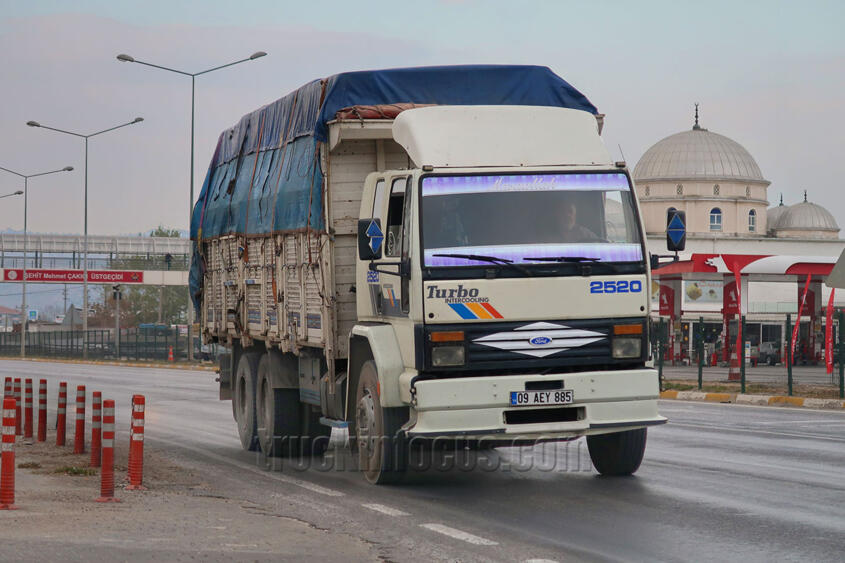
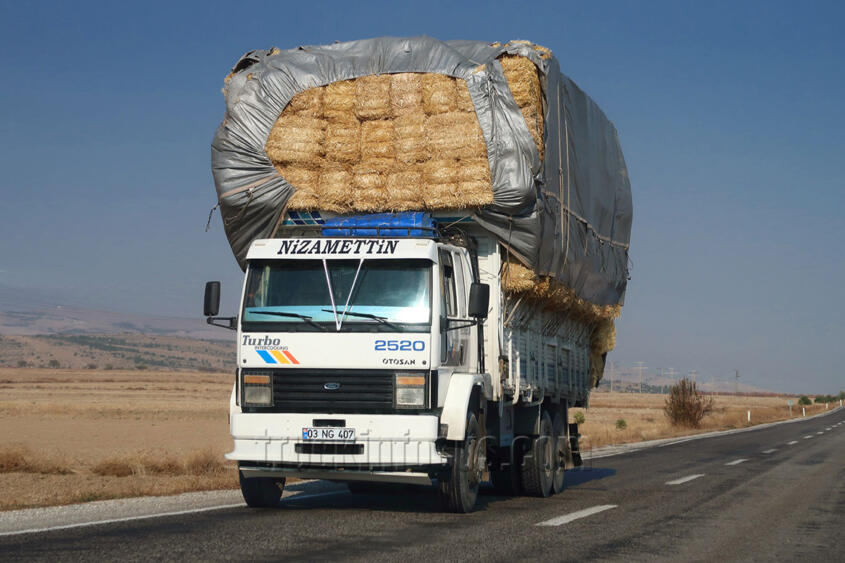
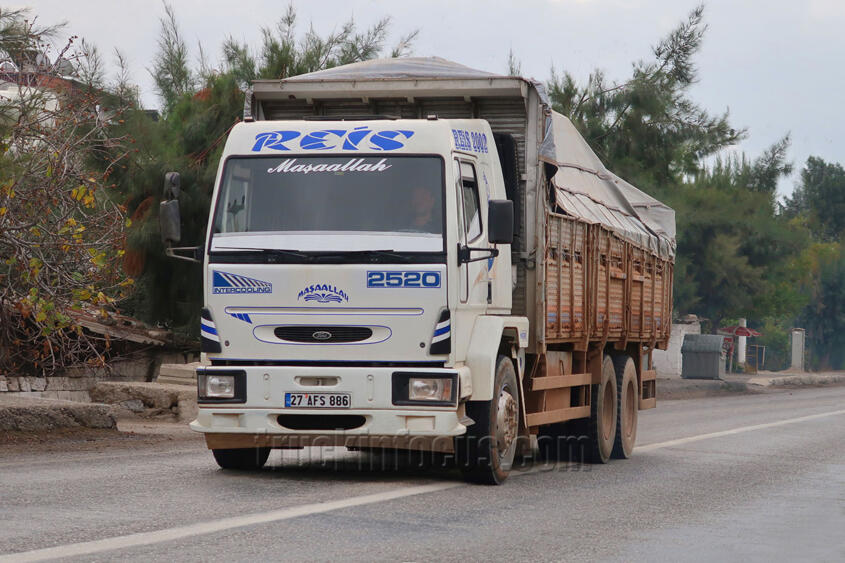
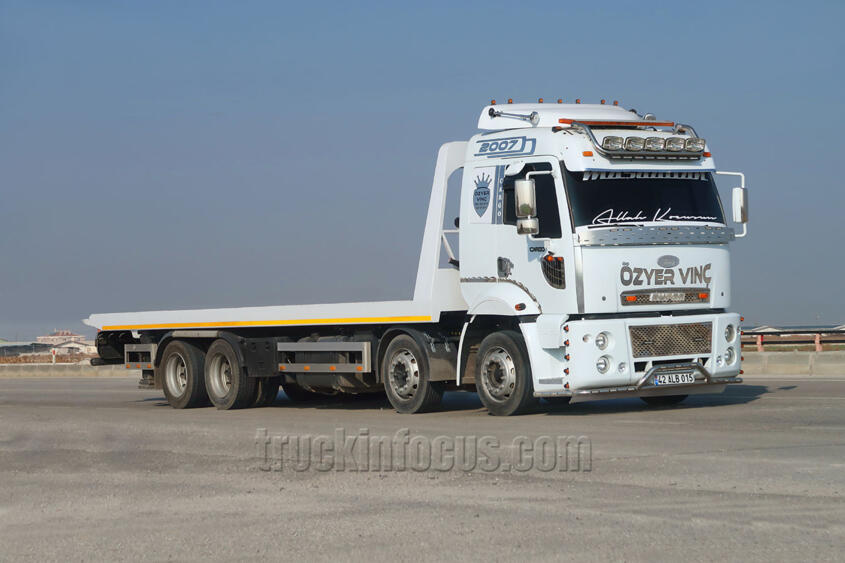
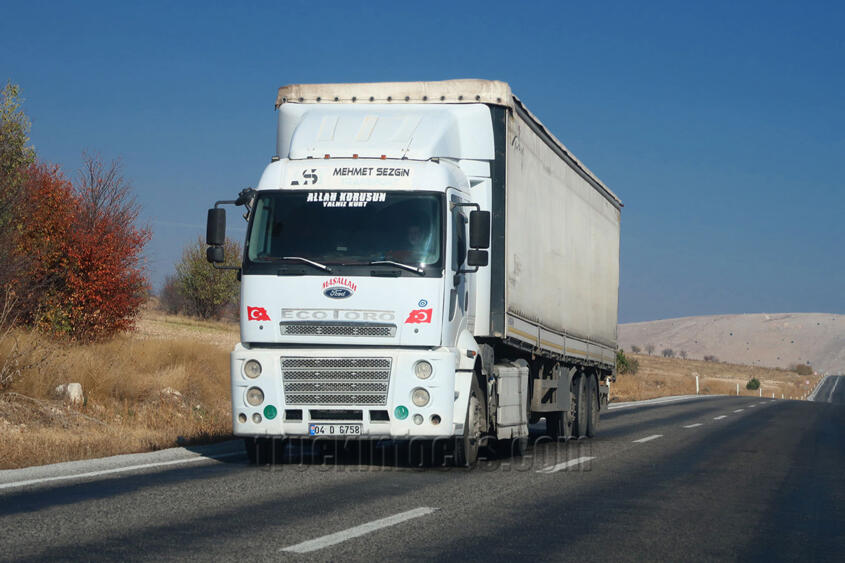
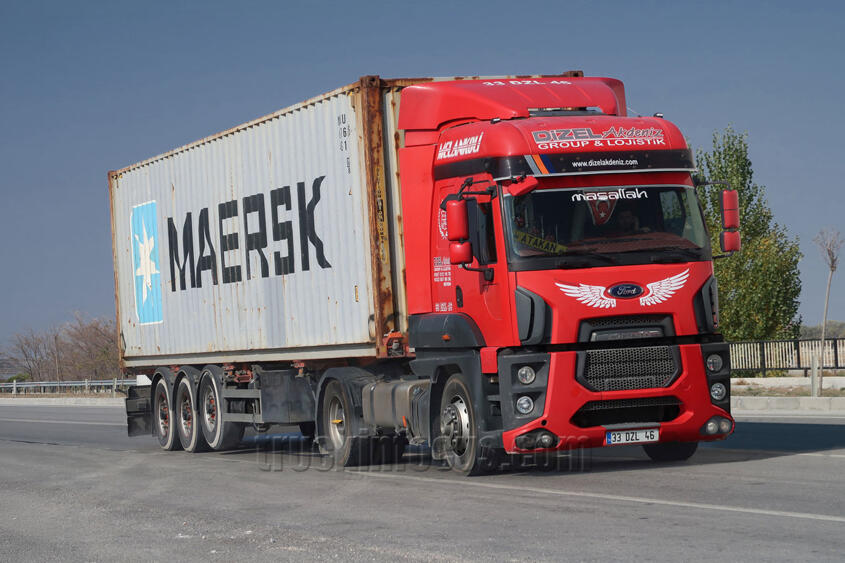
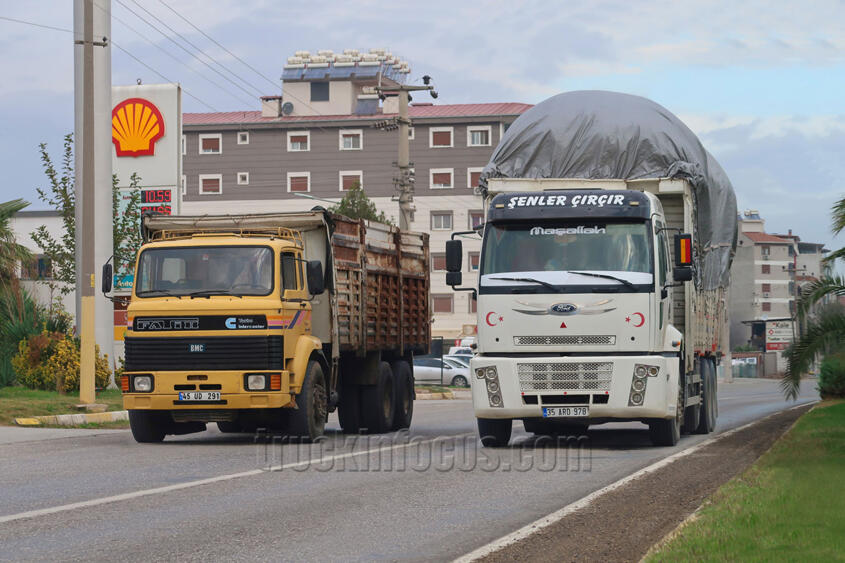
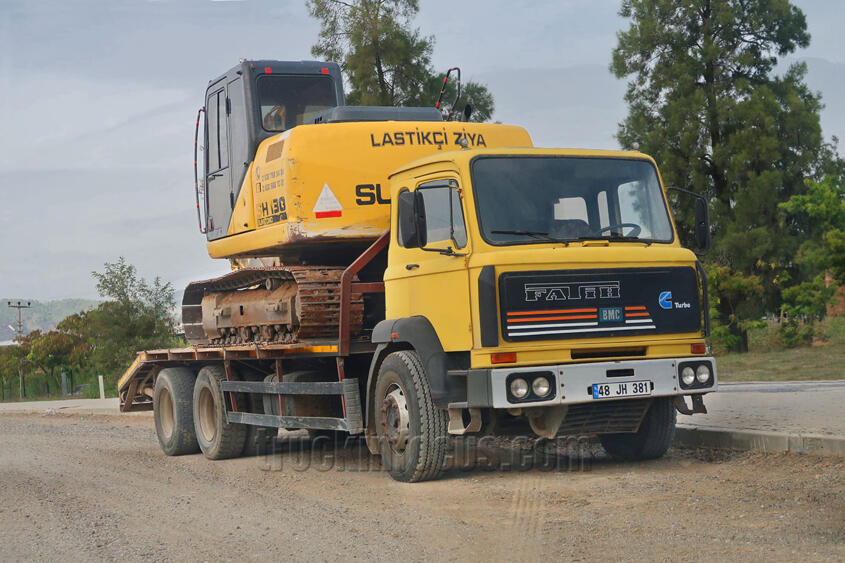
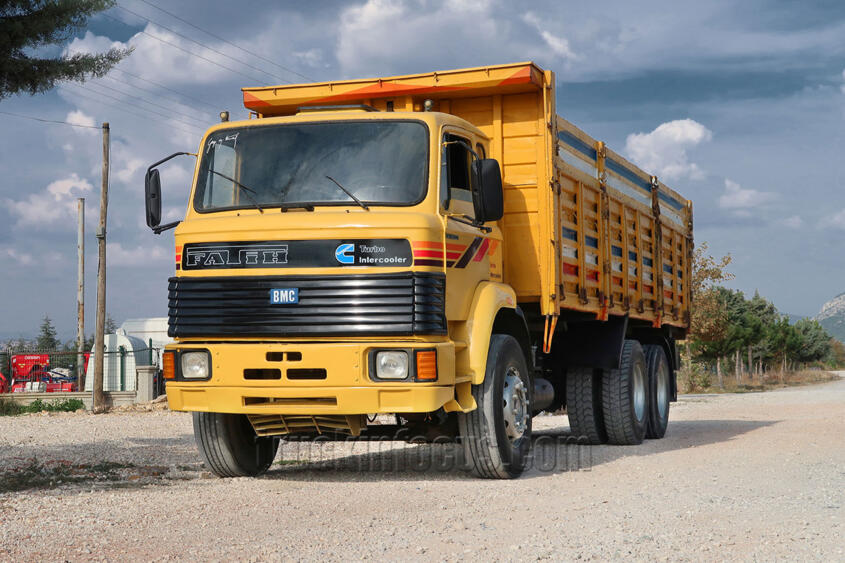
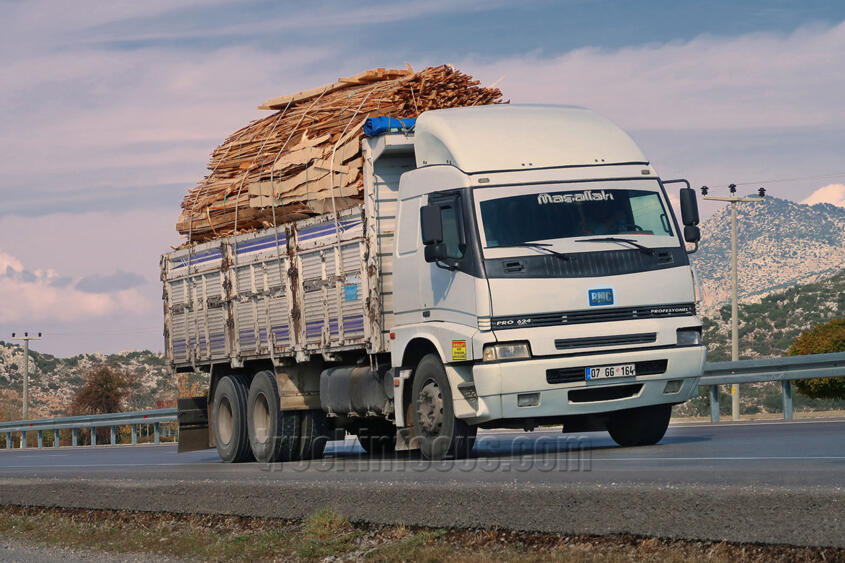
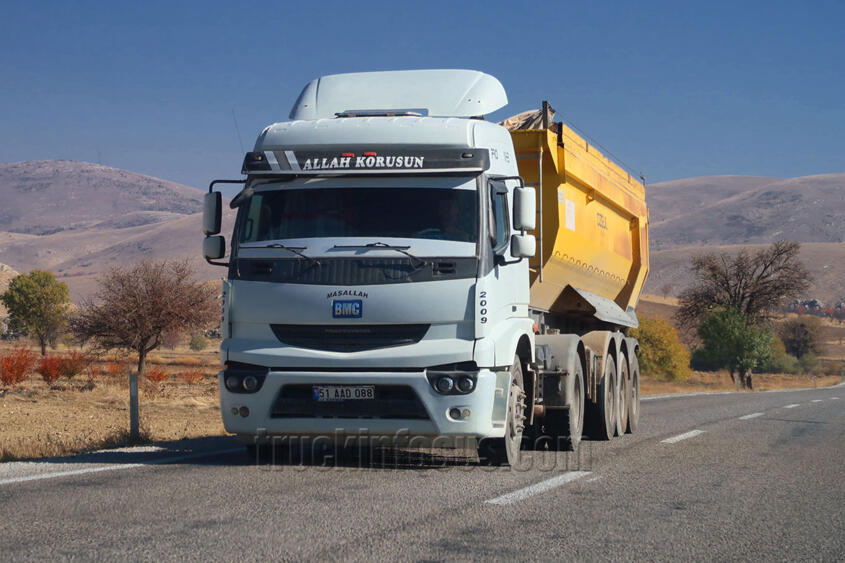
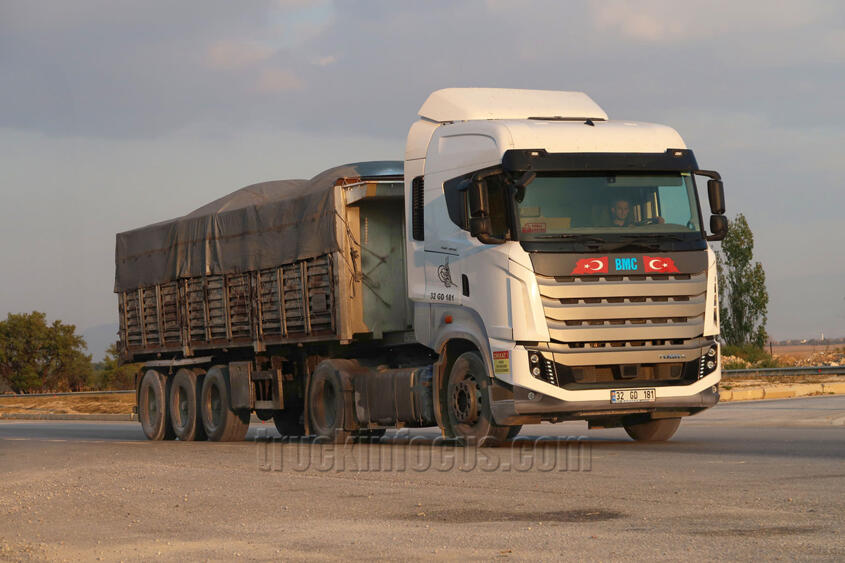
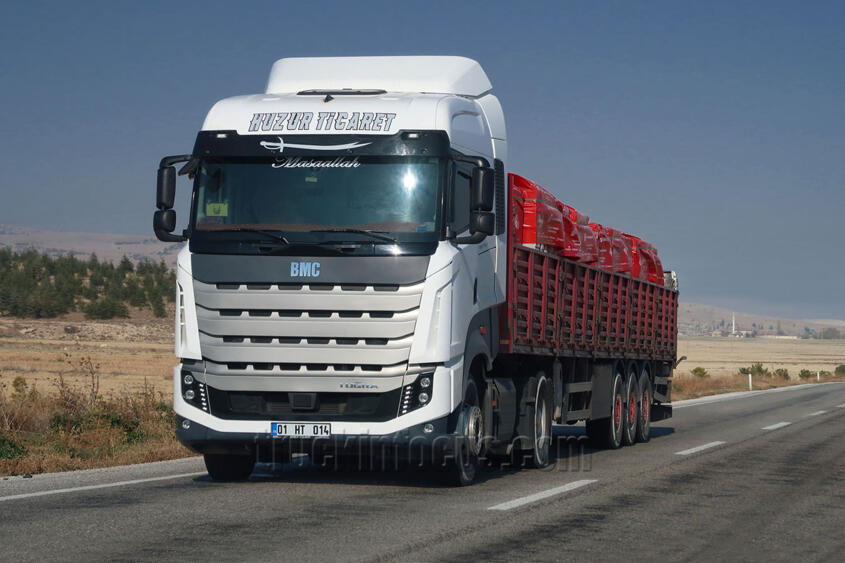
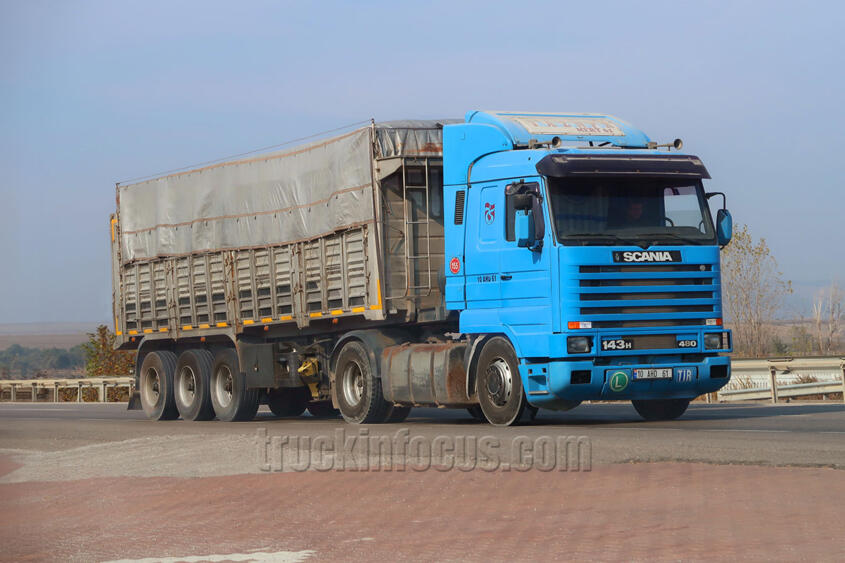
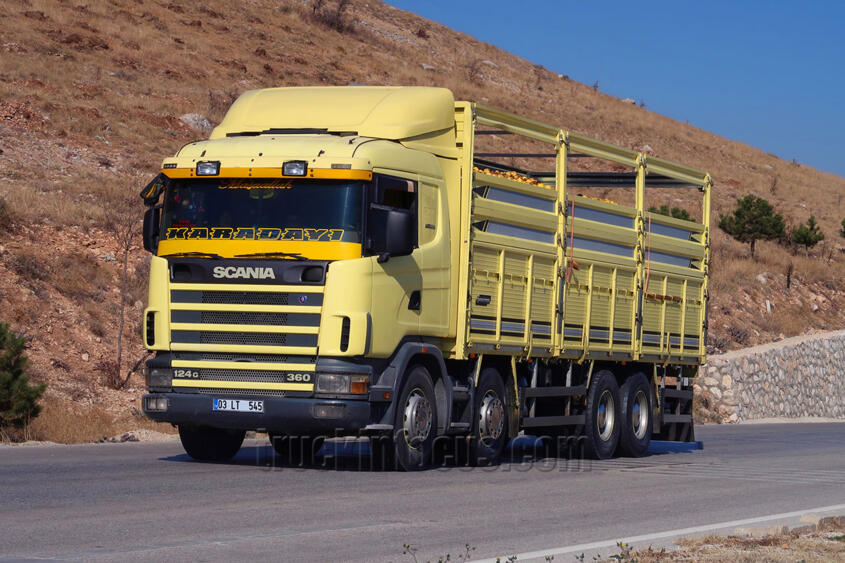
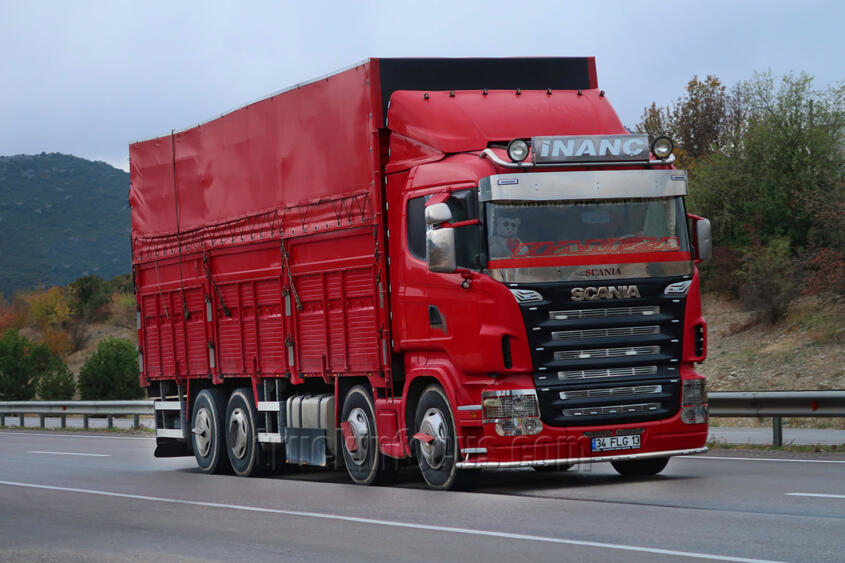
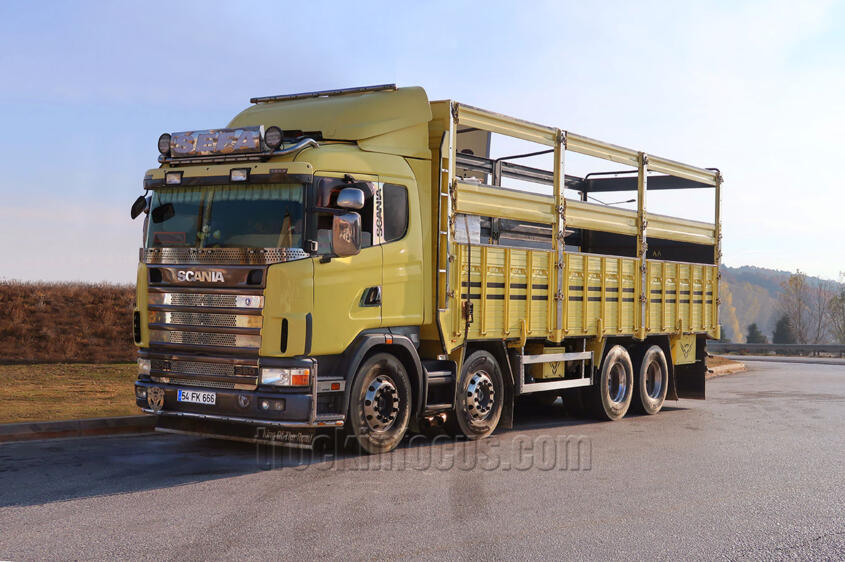
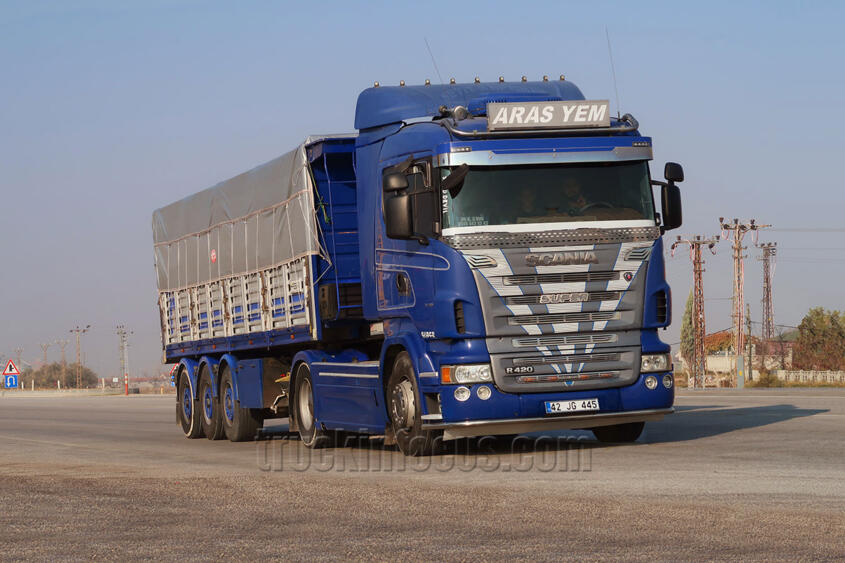
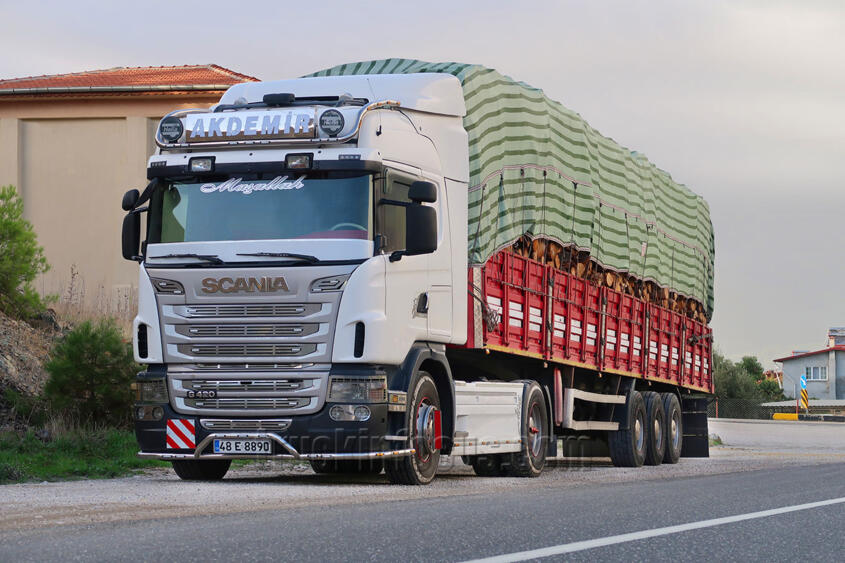
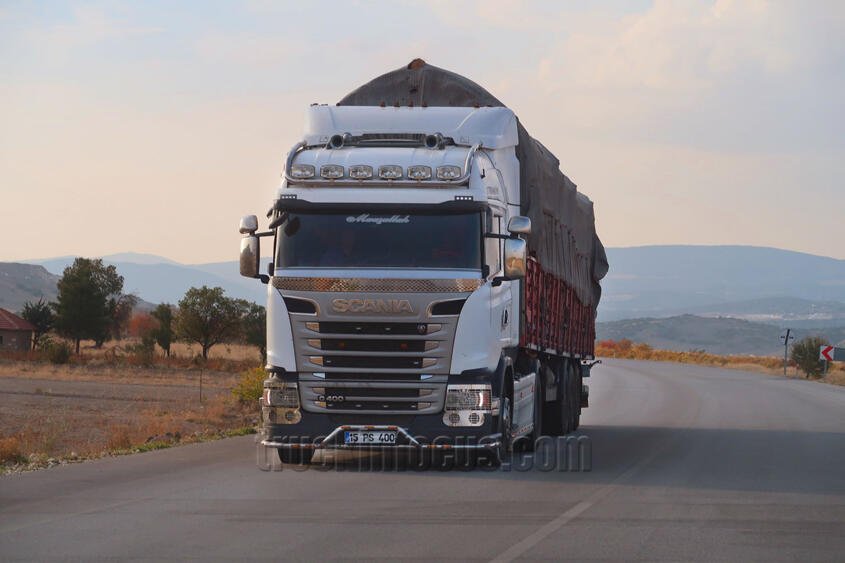
Production of the Ford Cargo began at Otosan in Istanbul in 1983. It replaced the outdated D series, which had been a familiar sight on Turkish roads since 1965. Cooperation between Turkey’s Koç Group and the Ford Motor Company goes back much further, to 1928, when Vehbi Koç opened the first Ford dealership in Ankara. Shortly after Cargo production began, manufacturing moved to Eskişehir (İnönü). The 2520 joined the lineup in the early 1990s. The truck pictured carries lettering on its front referring to turbocharging and charge-air cooling. The Cargo series underwent several revisions before the generational change in 2003.Time and again, we encountered trucks whose loads far exceeded the dimensions normally seen in Western Europe. I loved it and was delighted every time one of these behemoths appeared. Especially when I managed to take photographs on the move. That was possible because my partner Berta was driving, leaving me free to work from the passenger seat.A late update to the Turkish Ford Cargo 2520 brought a modernized grille and headlights relocated to the bumper. In 2003, a completely redesigned Cargo series replaced the aging 2520. The word “Maşallah” appears on the front of a great many Turkish trucks. Literally, it means roughly “What God has willed” and expresses admiration and appreciation, for example for something beautiful or well done. It is also intended to ward off the evil eye.The new Cargo generation, internally designated H 298, reached the market in 2003. In 2007, Ford added the H 476 versions with the larger nine-liter Ecotorq engine. The four-axle 3232 S shown here has the year 2007 displayed on its roof. The operator presumably intended this to indicate the truck’s year of manufacture. It does not, however, establish conclusively that this is an H 476 version.For me, long, empty roads through stark landscapes are part of what makes traveling in Turkey so appealing. This photograph inspires a longing to set off for distant places, even if other people prefer green forests and lush meadows. The tractor pictured belongs to the Ford Cargo model family introduced in 2003, which was expanded in subsequent years. The exact engine version cannot be identified from the photograph. The Ecotorq lettering on the front refers to the diesel engine series developed in-house by Ford Otosan and introduced in 2003.Following the start of production in 2012, the new Cargo tractor, internally designated H 566, reached the market in 2013. Its distinctive front styling, full of character, turned plenty of heads. The Cargo model family was later replaced by the F-LINE, which Ford Otosan unveiled in 2023 and began offering in February 2024. Its design takes its cue from the flagship F-MAX introduced in 2018. The F-LINE cab, however, is a further development of the Cargo cab. An article about it can be found at this link.With this photograph, we turn to the third Turkish truck brand: BMC. It was taken in Torbalı, where we had spent the night in a fairly luxurious yet inexpensive hotel. After a good breakfast, I grabbed my camera and went outside. These two trucks came along: a BMC Fatih being overtaken by a Ford Cargo from the model line introduced in 2003. The Ford may already be one of the versions added from 2007 onward. The variants cannot always be distinguished conclusively by their appearance.The Turkish BMC Fatih series reached the market in 1986. Its cab was based on a 1964 design from Leyland or the British Motor Corporation (BMC). Early versions had a turbocharged Cummins engine without charge-air cooling. Later versions with charge-air cooling carried “Intercooler” lettering on the front. This example has no such lettering. Municipal authorities throughout Turkey received yellow Fatih dump trucks for public works. BMC’s Fatih trucks also found customers in the private sector. The name “Fatih” recalls the Ottoman ruler Fatih Sultan Mehmet and means “conqueror” in Arabic. Fatih is also the name of a historic district of Istanbul, home to the Fatih Mosque.This photograph shows a Fatih with a raised cab, a wide black slatted grille, and rectangular headlights in the bumper. In Turkey, the more imposing version became known as “Dev Fatih” (Giant Fatih). Alongside versions with the 5.9-liter Cummins, the Fatih family included heavier versions with the larger 8.3-liter engine. Engine variants with charge-air cooling and different front designs were added over the years. BMC continued building the Fatih into the 2000s, alongside the Profesyonel series introduced in 1996.When the BMC Profesyonel, styled by Pininfarina, was unveiled at the IAA International Motor Show for Commercial Vehicles in 1996, its appearance was considered utterly futuristic. It quickly became established in Turkey and was still an everyday sight during our trip. In Western Europe, however, it remained uncommon. From 1998, a version was offered for a time in Great Britain by ERF as the EP 6. Trucks from the Profesyonel series also reached Spain.The second generation of the BMC Profesyonel appeared in 2009 with new front styling. This photograph and the one above it show how Turkish operators reduce the exposed area of the windshield with white film to lessen glare from the sun.In 2018, BMC presented the new Tuğra model family to the industry at the IAA Commercial Vehicles show in Hanover. The company had already offered heavy-duty tractors, such as the PRO 1142 from the Profesyonel series. The Tuğra brought a considerably more modern vehicle family, with series production beginning in 2019. During our 2022 trip, the Tuğra was still a relatively rare sight in Turkey, unlike Ford Otosan’s F-MAX, which we frequently encountered in Anatolia. BMC also exports the Tuğra to the Netherlands and Spain, where the vehicles occasionally turn up on the road.Its distinctive appearance makes the BMC Tuğra an imposing sight, and one you do not see thundering past in the opposite direction every day. I certainly like it, which is more than I can say for every new truck design.To round off this article about truck spotting in Turkey in 2022, here is a short sequence of Scania photographs. The Swedish brand’s vehicles clearly enjoy considerable popularity among Turkish transport operators and their drivers. Older models are cherished and well maintained, too, like this 3-series cabover in the Streamline version produced from 1991 to 1996.Unveiled in 1995, the Scania 4-series was gradually introduced across the European market in 1996. The 124 with an R cab was rarely seen as a four-axle flatbed truck in Western Europe, however. Four-axle trucks there were mainly used as dump trucks and concrete mixers. In Turkey, by contrast, the configuration pictured here is very popular. It looks great, doesn’t it?Lavishly adorned with chrome accessories and sporting dangerous-looking metal strips on its wheel covers: a four-axle truck from the R series introduced in 2004, retaining its original front styling. The photograph was taken not far from Antalya, on the road to Denizli.Another Scania from the 4-series introduced in 1995. The license plate of this lovingly decorated four-axle truck begins with 54, identifying the province of Sakarya. Located east of Istanbul, the province extends to the Black Sea coast. Its capital is Adapazarı.And another, this time a tractor with a particularly cool paint job and a restrained selection of accessories.This G 420 still has the large side air deflectors from before the 2013 Streamline update. Its tasteful chrome accessories complement the vehicle’s design without looking overdone. A very successful treatment, in my opinion.The final photograph, taken into the light while we were on the move, shows a Scania G 400 in the 2013 Streamline version. Small aerodynamic fins above the bumper had replaced the large side air deflectors. Somewhere on a lonely Turkish country road, the truck and trailer were heading toward a destination that might have been far away.
Looking Back: Two Successful Weeks
After spending two weeks crisscrossing the country, we returned from Izmir to Antalya on a wide, sweeping route through beautiful scenery along the coastal road. There were few trucks there, but we did get to take a break on a deserted beach. Berta had a chance to recover a little from constantly waiting in the car while her crazy husband dashed around somewhere photographing trucks. We spent our last night in the same hotel as at the beginning of the trip, then flew back to Berlin. Everything had worked out wonderfully, and the following week I got to work on my rich photographic haul. The pictures accompanying this article are just a fraction of it.
Text and photos: Steve St.Schmidt
Photographing Trucks in Turkey: Questions and Answers
Turkey offers truck enthusiasts an unusual mix: vehicles from Turkish manufacturers, older European models, and individually decorated trucks all share the roads. On our 2022 photography trip, we encountered rare conventional trucks, lovingly maintained veterans, and modern tractors. Varied scenery and many friendly encounters with drivers added to the experience.
The focus is on Ford Trucks, BMC, and vehicles from the former manufacturer Askam. Our photographic subjects included the Ford Cargo and F-MAX, as well as the BMC Fatih, Profesyonel, and Tuğra. Older vehicles built by Askam were particularly rare. They were marketed under names including Dodge, DeSoto, and Fargo.
On our 2022 photography trip, we encountered Mercedes-Benz SK II trucks, MAN F 2000 models, and older Ford Cargo trucks, among others. Vehicles from Turkish manufacturers Askam and BMC were particularly appealing, as they are rarely seen in Western Europe. Many of the trucks we photographed were carefully maintained, individually painted, or decorated with striking accessories.
“Maşallah” literally means roughly “What God has willed.” The expression conveys admiration and appreciation and is also intended to ward off the evil eye. “Allah korusun” translates as “May God protect us.” On a truck, the phrase expresses a wish for protection for the vehicle and its occupants.
During our 2022 trip, reactions were mostly friendly. We often received encouragement or a thumbs-up. A printed note in Turkish explained my passion for trucks and helped make my intentions clear. There were two unpleasant encounters, however. Alongside the enjoyable experiences, the travel report also describes these conflicts.